

African Violet
Saintpaulia spp.
View Full Care Guide
☀ Light
Give your African Violet bright, indirect light. A bright north, northeast, or northwest-facing window works well. Pale or bleached leaves can mean the light is too intense, while long stems and poor flowering can mean it needs more light.
💧 Water
Keep the potting mix lightly moist but never soggy. Allow it to dry slightly between waterings. Use room-temperature water and try to keep water off the fuzzy leaves, which can develop spots. Never allow the pot to sit in standing water.
🌱 Soil
Use a loose, well-draining soilless mix made for African Violets. Their fine roots need plenty of air. A mixture of African violet potting mix with additional perlite works well. Always use a pot with drainage holes.
💦 Humidity
African Violets prefer moderate humidity, roughly 40–60%. If your home is very dry, a pebble tray or nearby humidifier can help. Keep the bottom of the pot above the water rather than sitting in it.
🌡 Temperature
Normal indoor temperatures suit them well. Aim for about 60–80°F, with around 70°F being ideal. Protect the plant from cold drafts and sudden temperature changes.
🌿 Feeding
Use a fertilizer formulated for African Violets at a diluted strength. Avoid heavy feeding, which can damage the roots and cause fertilizer buildup.
🐾 Pet & Child Safety
African Violets are considered non-toxic to cats and dogs. As with any houseplant, it is still best to discourage pets and small children from chewing on the plant.
⚠ Common Issues
Wilting with wet soil: Often a sign of overwatering or root rot.
Spots on leaves: Frequently caused by water sitting on the foliage.
Not flowering: The plant may need brighter light.
Pale or bleached leaves: The light may be too intense.
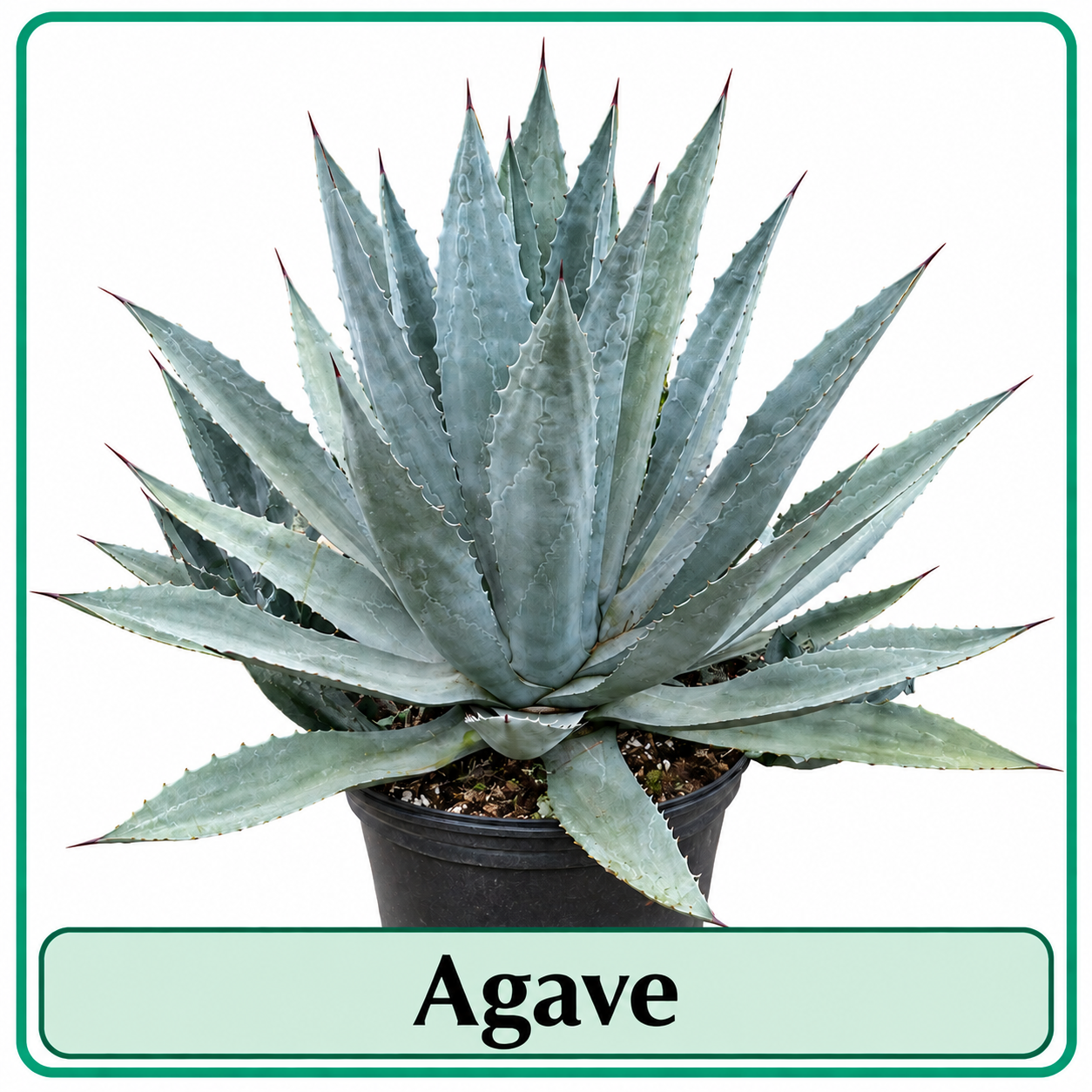
Agave
Agave spp.
View Full Care Guide
☀ Light
Agave likes lots of light and does best in a very bright spot. A sunny window is ideal, and many agaves can handle several hours of direct sun.
💧 Water
Water thoroughly, then let the soil dry out completely before watering again. Agave stores water in its leaves and is much more likely to suffer from overwatering than underwatering.
🌱 Soil
Use a fast-draining cactus or succulent mix. Extra pumice, perlite, or coarse sand helps prevent soggy roots.
💦 Humidity
Average to low household humidity is fine. Agave does not need extra humidity.
🌡 Temperature
Normal warm indoor temperatures work well. Protect from freezing temperatures and cold drafts.
🌿 Feeding
Feed lightly during spring and summer with a diluted cactus fertilizer. Do not overfeed.
🐾 Pet & Child Safety
Agave is considered toxic if chewed or ingested, and the sap can irritate skin. Keep away from pets and children.
⚠ Common Issues
Mushy leaves: Usually overwatering.
Yellowing: Often too much water or poor drainage.
Stretching or weak growth: Usually not enough light.
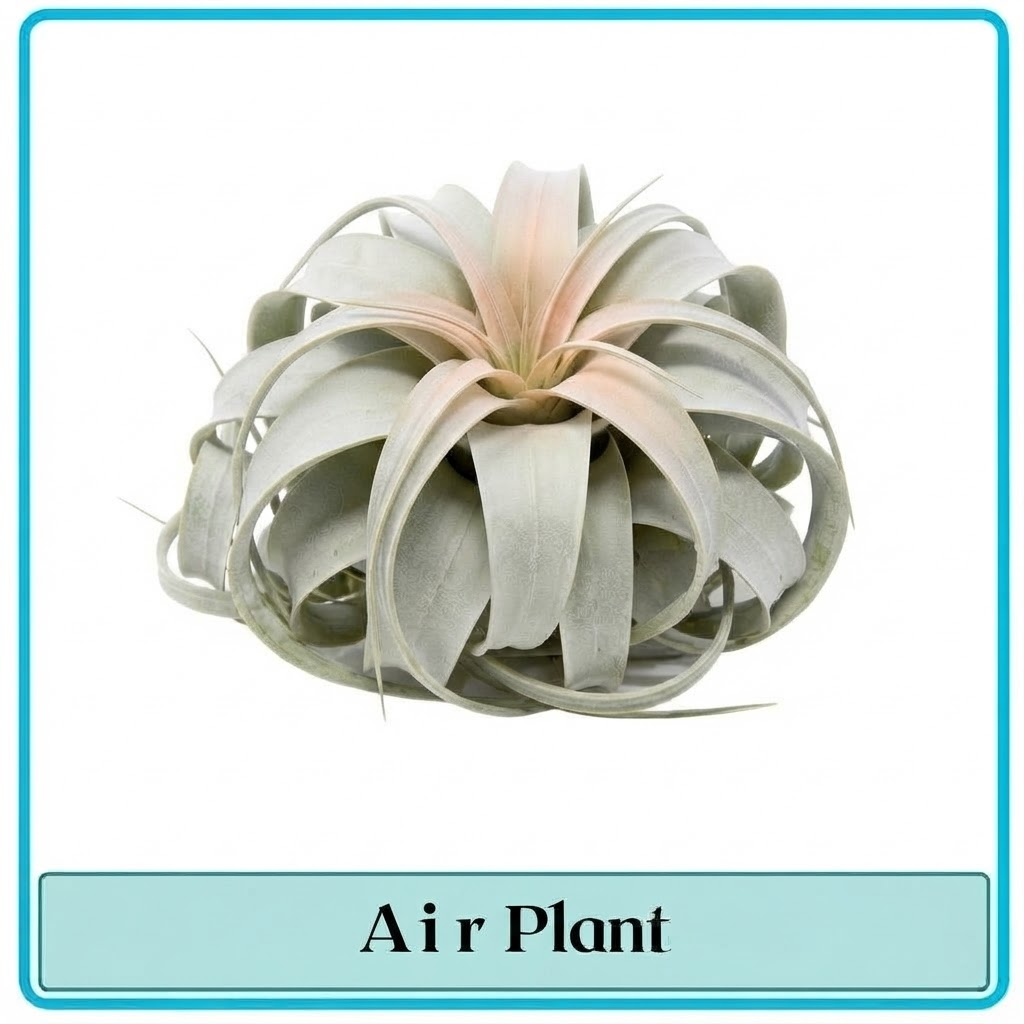
Air Plant
Tillandsia spp.
View Full Care Guide
☀ Light
Air Plants prefer bright, indirect light. They enjoy a bright room, but harsh midday sun can dry them out too quickly.
💧 Water
Soak the whole plant in water for about 20–30 minutes roughly once a week, then shake off excess water and let it dry upside down. Good airflow is essential so water does not sit trapped at the base.
🌱 Soil
No soil at all. Air Plants absorb moisture and nutrients through their leaves and should be displayed on a tray, wood, shell, or similar surface.
💦 Humidity
They appreciate moderate humidity. In a very dry home, they may need more frequent watering or occasional misting between soakings.
🌡 Temperature
Normal indoor temperatures are fine. Protect from frost and from being left in a cold draft.
🌿 Feeding
Use a diluted bromeliad or air-plant fertilizer occasionally during the growing season.
🐾 Pet & Child Safety
Air Plants are generally considered non-toxic to pets. Even so, it is best to keep them out of chewing range.
⚠ Common Issues
Crispy tips: Usually too dry or not enough humidity.
Rotting base: Usually water stayed trapped too long.
Curled leaves: Often a sign the plant is thirsty.
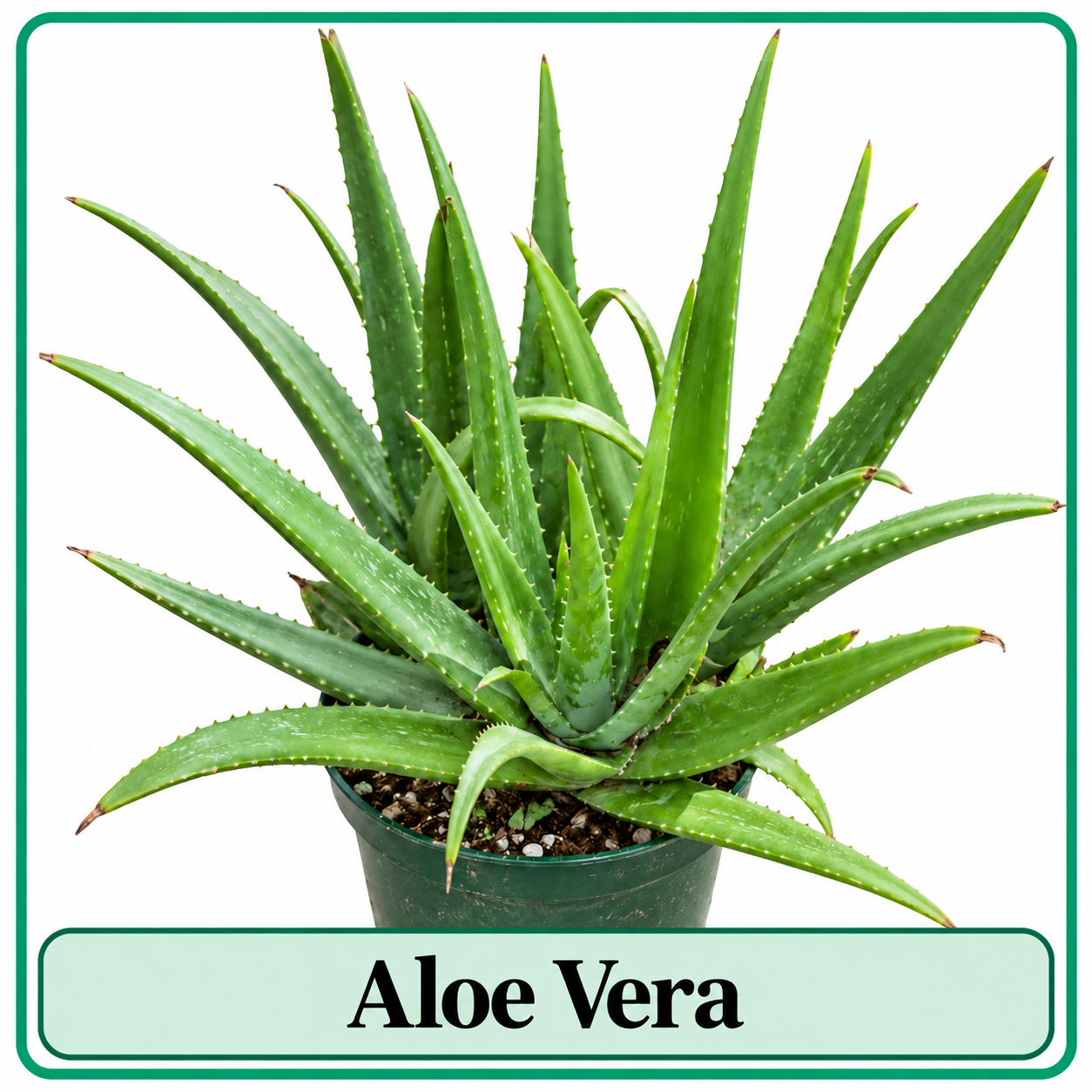
Aloe Vera
Aloe vera
View Full Care Guide
☀ Light
Aloe Vera likes a bright window and can handle some direct sun. If it gets too little light, the plant may become stretched and weak.
💧 Water
Water deeply, then allow the soil to dry well before watering again. In cooler months it usually needs less water.
🌱 Soil
Use a cactus or succulent mix with excellent drainage. The pot must have a drainage hole.
💦 Humidity
Average indoor humidity is fine. Aloe does not need extra humidity.
🌡 Temperature
Warm indoor temperatures are best. Keep it away from freezing conditions.
🌿 Feeding
Feed sparingly during spring and summer with a diluted succulent fertilizer.
🐾 Pet & Child Safety
Aloe Vera is considered toxic if ingested by cats and dogs. Keep it out of reach.
⚠ Common Issues
Mushy base or leaves: Usually overwatering.
Thin, droopy leaves: Often not enough light.
Brown tips: Can happen from stress, dryness, or sun shock.
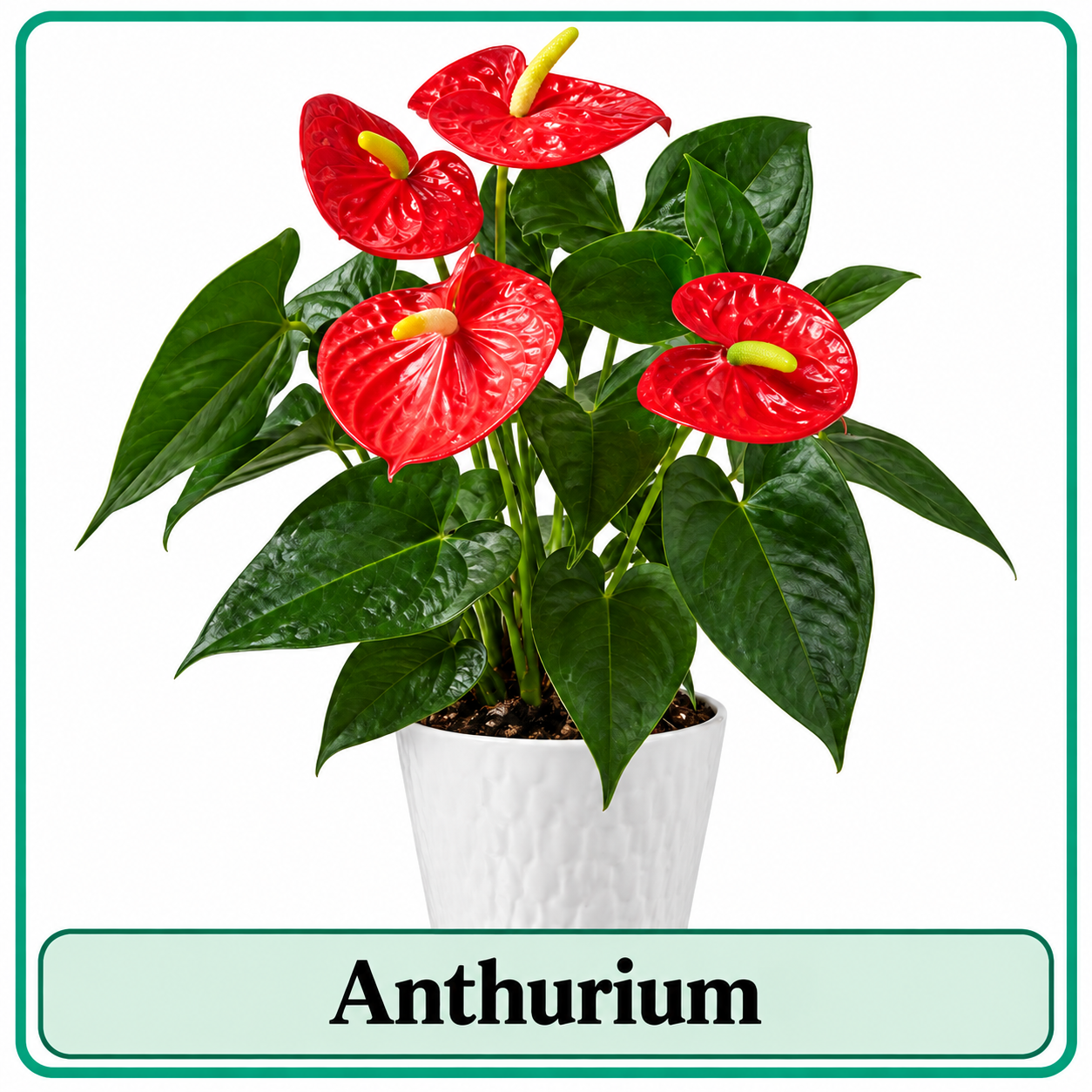
Anthurium
Anthurium andraeanum and hybrids
View Full Care Guide
☀ Light
Anthuriums like bright, indirect light. Too much direct sun can scorch the leaves, while very low light can reduce flowering.
💧 Water
Water when the top inch or so of the mix starts to dry. Keep the mix lightly moist, but never soggy.
🌱 Soil
Use a loose, chunky mix with ingredients like potting mix, orchid bark, and perlite. Good airflow around the roots is important.
💦 Humidity
Anthuriums appreciate moderate to higher humidity. If the air is very dry, leaf edges may brown.
🌡 Temperature
Warm indoor temperatures are best. Protect from cold drafts and sudden chills.
🌿 Feeding
Feed lightly during spring and summer with a balanced, diluted houseplant fertilizer.
🐾 Pet & Child Safety
Anthuriums are toxic if chewed or ingested because they contain calcium oxalate crystals. Keep away from pets and children.
⚠ Common Issues
Brown leaf edges: Often low humidity or inconsistent watering.
Yellowing leaves: Commonly overwatering.
Few or no blooms: Usually not enough light.
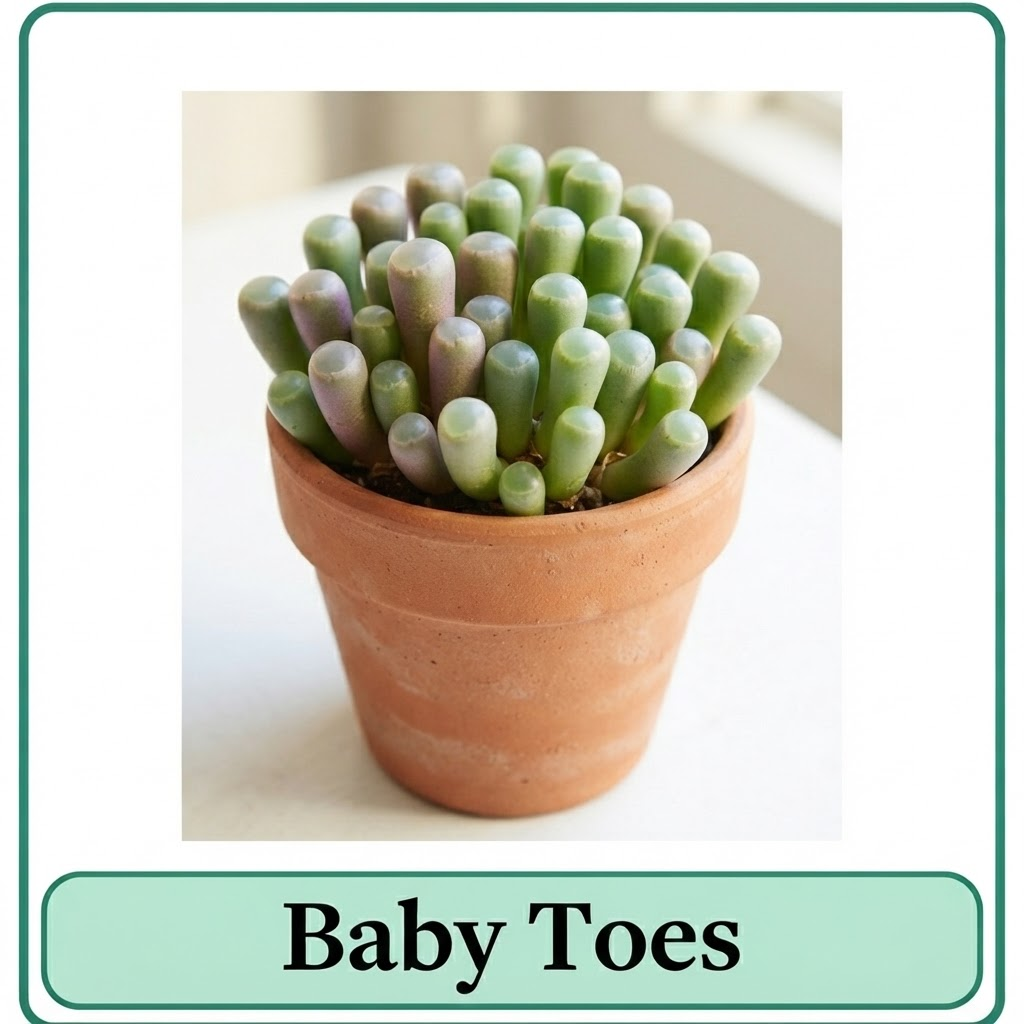
Baby Toes
Fenestraria rhopalophylla
View Full Care Guide
☀ Light
Baby Toes likes bright light and can handle some direct sun. Good light helps it stay compact and healthy.
💧 Water
Water sparingly and allow the soil to dry out fully between waterings. Like many succulents, it is very sensitive to too much moisture.
🌱 Soil
Use a very fast-draining succulent mix with added grit, pumice, or coarse sand.
💦 Humidity
Low to average household humidity is fine. Avoid damp, stagnant conditions.
🌡 Temperature
It likes warm conditions and should be protected from freezing temperatures.
🌿 Feeding
Feed very lightly during the growing season, if at all.
🐾 Pet & Child Safety
Baby Toes is not commonly listed as toxic, but it is still best to discourage chewing.
⚠ Common Issues
Mushy stems or base: Usually overwatering.
Stretching: Not enough light.
Shriveling: Can mean the plant is thirsty, but check roots and soil first.
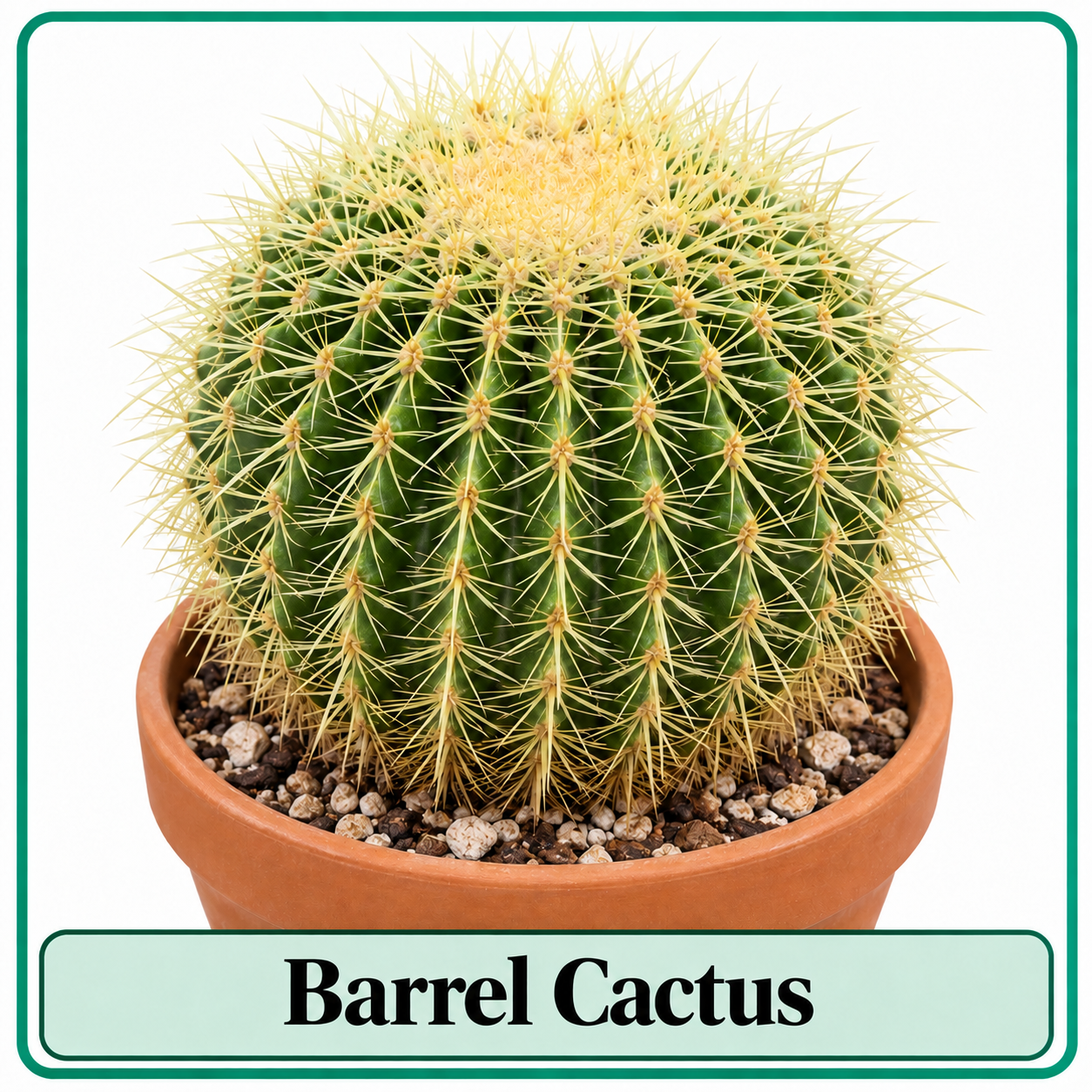
Barrel Cactus
Echinocactus or Ferocactus spp.
View Full Care Guide
☀ Light
Barrel Cactus loves strong light and does best in a sunny window with as much direct sun as possible.
💧 Water
Water lightly, then let the soil dry out fully before watering again. During cooler months, it usually needs very little water.
🌱 Soil
Use a fast-draining cactus mix with added grit or pumice. A pot with drainage holes is essential.
💦 Humidity
Low humidity is perfectly fine. Avoid damp or constantly humid conditions.
🌡 Temperature
Warm indoor temperatures are best. Keep away from frost and very cold windows in winter.
🌿 Feeding
Feed lightly in spring and summer with diluted cactus fertilizer.
🐾 Pet & Child Safety
Barrel Cactus is not generally considered toxic, but the spines can injure pets, children, and people.
⚠ Common Issues
Mushy base: Overwatering or rot.
Leaning or stretching: Usually not enough light.
Softened body: Can mean too much moisture.
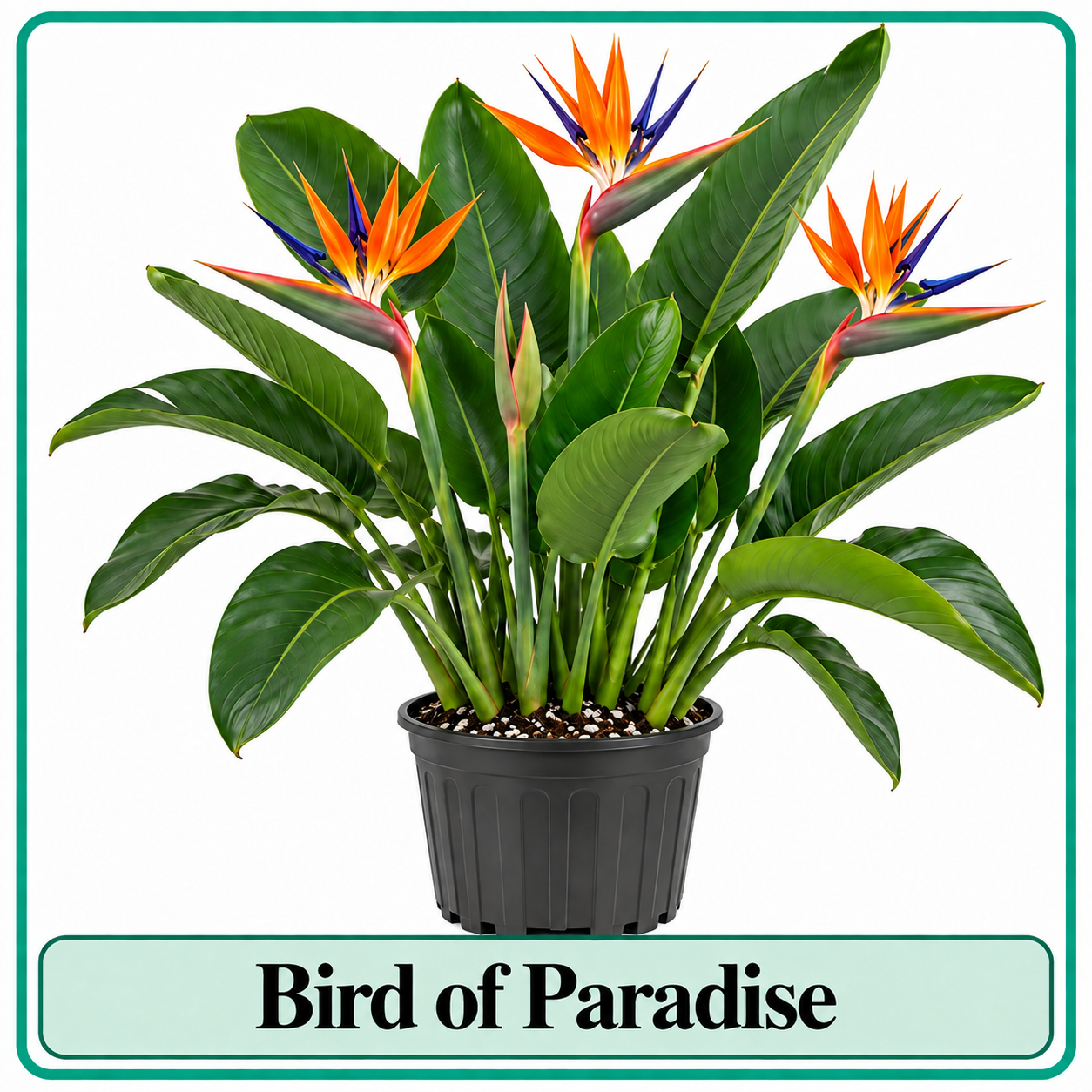
Bird of Paradise
Strelitzia spp.
View Full Care Guide
☀ Light
Bird of Paradise wants a very bright spot and can handle some direct sun. Low light usually means slow growth and fewer leaves.
💧 Water
Water thoroughly when the top couple inches of soil feel dry. It likes moisture but not constantly soggy soil.
🌱 Soil
Use a rich, well-draining indoor potting mix. Good drainage still matters because it does not want to sit in wet soil.
💦 Humidity
Average household humidity works, though it appreciates a little extra humidity in very dry air.
🌡 Temperature
Warm room temperatures are ideal. Keep away from cold drafts and near-freezing conditions.
🌿 Feeding
Feed during spring and summer with a balanced houseplant fertilizer.
🐾 Pet & Child Safety
Bird of Paradise is considered toxic if ingested. Keep it away from pets and children who may chew on it.
⚠ Common Issues
Curling leaves: Often thirst or stress.
Yellow leaves: Can be overwatering or normal aging of older leaves.
Split leaves: Usually normal for this plant.
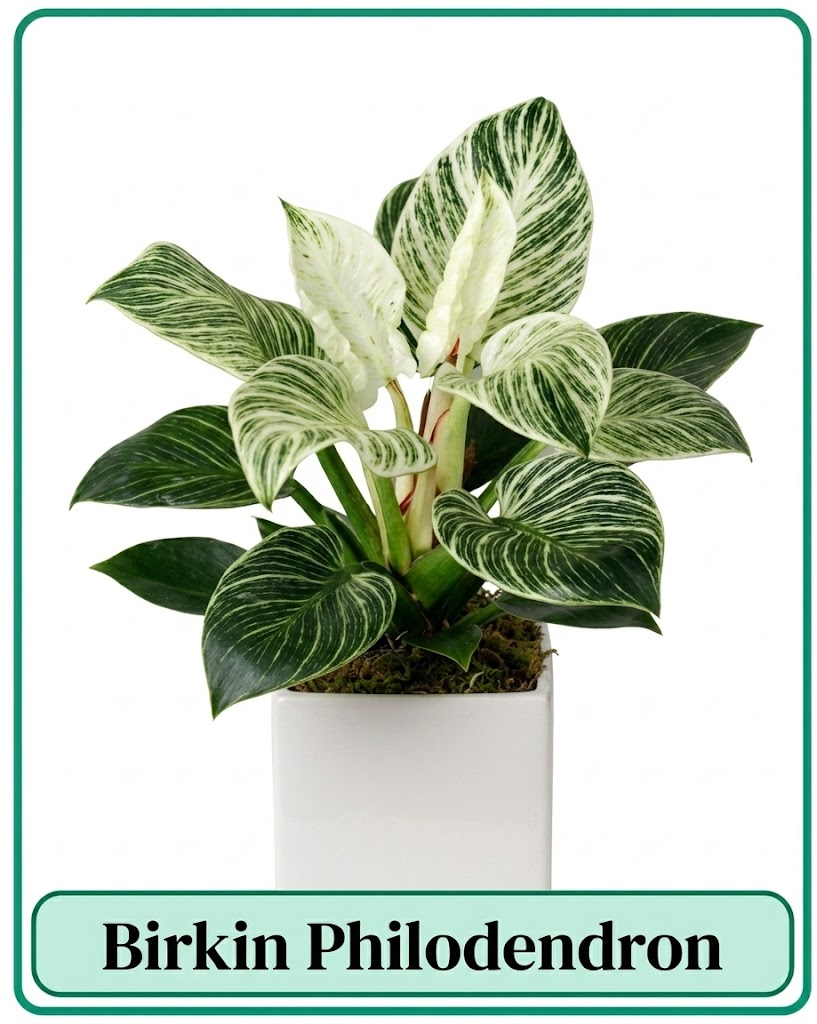
Birkin Philodendron
Philodendron ‘Birkin’
View Full Care Guide
☀ Light
Birkin likes bright, indirect light. Too much harsh sun can scorch the leaves, and too little light can reduce the clear striping.
💧 Water
Water when the top inch or two of soil dries out. It likes a lightly moist mix but not wet roots.
🌱 Soil
Use a chunky indoor mix with potting soil, orchid bark, and perlite or similar materials for airflow and drainage.
💦 Humidity
Moderate humidity is ideal. It can tolerate average household air but appreciates a boost if your home is very dry.
🌡 Temperature
Warm indoor temperatures are best. Keep it away from drafts and sudden cold.
🌿 Feeding
Feed during the growing season with a diluted balanced houseplant fertilizer.
🐾 Pet & Child Safety
Philodendrons are toxic if chewed or ingested. Keep away from pets and children.
⚠ Common Issues
Yellow leaves: Often overwatering.
Brown edges: May be low humidity or inconsistent watering.
Faded striping: Often not enough light.
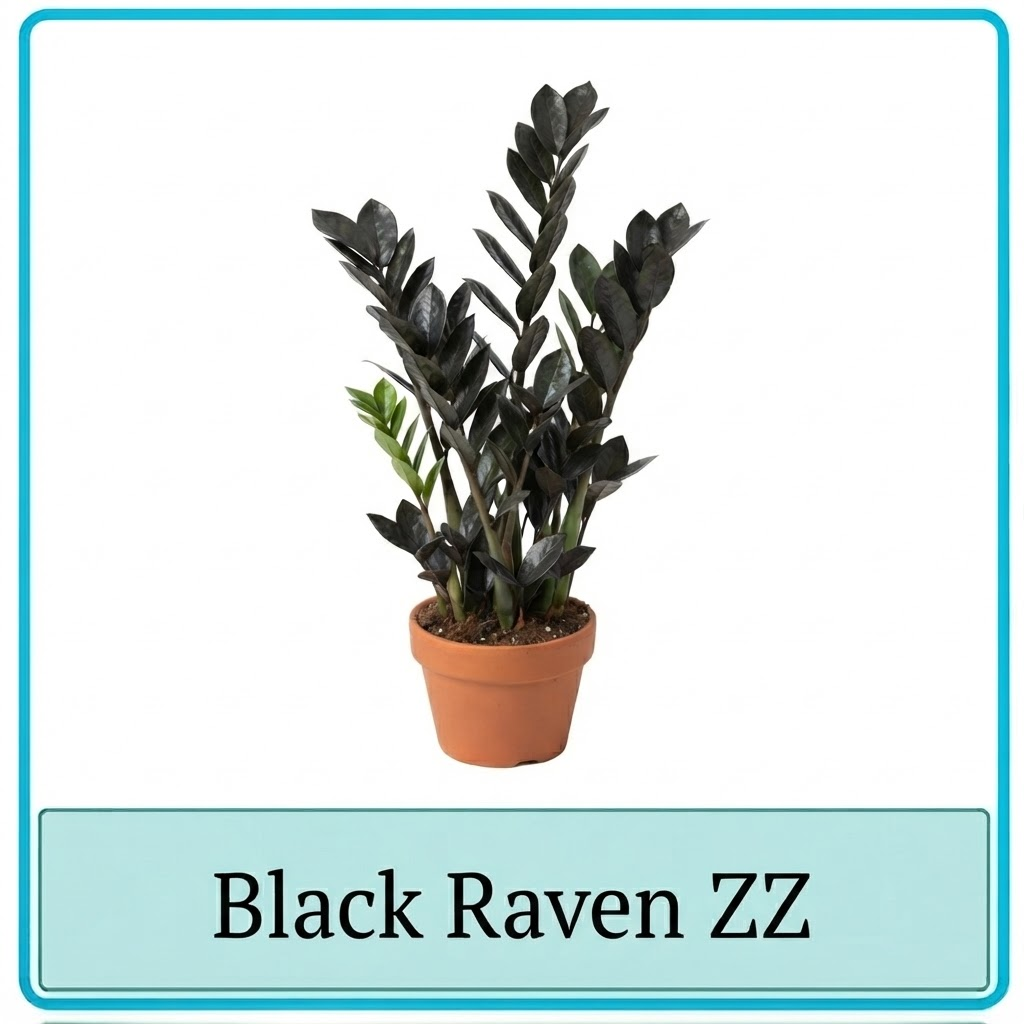
Black Raven ZZ
Zamioculcas zamiifolia ‘Raven’
View Full Care Guide
☀ Light
Black Raven ZZ tolerates low light but grows best in medium to bright indirect light. Avoid intense scorching direct sun.
💧 Water
Allow the soil to dry well between waterings. ZZ plants store water in thick rhizomes, so they do not need frequent watering.
🌱 Soil
Use a well-draining indoor potting mix. Adding perlite can improve drainage.
💦 Humidity
Average household humidity is fine. This is a very adaptable houseplant.
🌡 Temperature
Normal indoor temperatures work well. Keep it away from freezing temperatures and cold drafts.
🌿 Feeding
Feed lightly during spring and summer with a diluted balanced houseplant fertilizer.
🐾 Pet & Child Safety
ZZ plants are toxic if chewed or ingested. Keep out of reach of pets and children.
⚠ Common Issues
Yellowing stems or leaves: Usually too much water.
Wrinkled stems or leaflets: Can mean it has gone too dry for too long.
Slow growth: Often caused by lower light, though ZZ plants are naturally slow growers.

Boobie Cactus
Myrtillocactus geometrizans ‘Fukurokuryuzinboku’
View Full Care Guide
☀ Light
Give Boobie Cactus as much bright light as possible. A sunny window is ideal. If moving it into stronger direct sun, increase exposure gradually to avoid sunburn.
💧 Water
Water thoroughly and then allow the soil to dry completely before watering again. Reduce watering significantly during the cooler months.
🌱 Soil
Use a very fast-draining cactus or succulent mix. Adding pumice, perlite, or coarse grit helps keep excess moisture away from the roots.
💦 Humidity
Low to average household humidity is ideal. Avoid constantly damp or poorly ventilated conditions.
🌡 Temperature
Warm indoor temperatures suit it well. Protect it from frost, freezing temperatures, and cold winter drafts.
🌿 Feeding
Feed lightly during spring and summer with a diluted cactus fertilizer. Little or no fertilizer is needed during winter.
🐾 Pet & Child Safety
Reliable pet-toxicity information for this particular cultivar is limited, so the safest approach is to keep it out of reach of pets and young children. Its spines can also cause injury.
⚠ Common Issues
Soft or mushy areas: Usually excess moisture or rot.
Thin or stretched growth: Usually not enough light.
Scarring or discoloration: Can occur from sudden intense sun, cold, or physical damage.

Boston Fern
Nephrolepis exaltata ‘Bostoniensis’
View Full Care Guide
☀ Light
Boston Fern prefers bright, indirect light or filtered shade. Harsh direct sun can scorch the delicate fronds.
💧 Water
Keep the soil consistently moist without leaving it waterlogged. Boston Ferns do not like to dry out completely. Water somewhat less during slower winter growth.
🌱 Soil
Use a rich indoor potting mix that holds some moisture while still draining freely. Avoid heavy soil that stays waterlogged.
💦 Humidity
Boston Ferns love humidity. A humidifier, pebble tray, or naturally humid room can help prevent dry, crispy fronds.
🌡 Temperature
They prefer moderate indoor temperatures around 60–70°F and dislike hot, dry air or cold drafts.
🌿 Feeding
Feed lightly during active spring and summer growth with diluted balanced houseplant fertilizer.
🐾 Pet & Child Safety
Boston Fern is considered non-toxic to cats and dogs.
⚠ Common Issues
Brown, crispy fronds: Usually dry soil or low humidity.
Yellowing fronds: Can result from overly wet soil.
Spider mites or scale: More likely when indoor air is very dry.

Bromeliad
Bromeliaceae — common Guzmania & Neoregelia types
View Full Care Guide
☀ Light
Most common indoor Bromeliads prefer bright, indirect light. Exact light needs vary by variety, but strong midday sun can scorch many types.
💧 Water
Many common Bromeliads form a central cup or tank that naturally holds water. Keep a small amount of fresh water in the cup and flush and replace it regularly so it does not become stagnant. Keep the potting mix lightly watered but never soggy.
🌱 Soil
Use a loose, airy bromeliad or orchid-style mix containing bark and other fast-draining materials. These plants need plenty of air around their roots.
💦 Humidity
Bromeliads appreciate moderate to higher humidity with good airflow.
🌡 Temperature
Warm indoor temperatures work well. Most common tropical Bromeliads should be protected from cold drafts and temperatures below about 50°F.
🌿 Feeding
Feed very lightly with diluted fertilizer during active growth. Bromeliads do not need heavy feeding.
🐾 Pet & Child Safety
Common Guzmania and Neoregelia Bromeliads are considered non-toxic to cats and dogs. Because “Bromeliad” covers many species, identify an unusual variety separately if pet safety is a concern.
⚠ Common Issues
Brown leaf tips: Often dry air, mineral-heavy water, or stress.
Rot at the base: Potting mix staying too wet.
Mother plant fading after flowering: Normal. Look for new pups growing around the base.

Burro’s Tail
Sedum morganianum
View Full Care Guide
☀ Light
Burro’s Tail likes very bright light and some gentle direct sun. Strong light helps the stems stay compact and full.
💧 Water
Water thoroughly and let the soil dry before watering again. Reduce watering during winter.
🌱 Soil
Use a fast-draining cactus or succulent mix in a pot with drainage holes. A shallow pot works well for its relatively small root system.
💦 Humidity
Average to low indoor humidity is fine. It prefers fresh air over damp conditions.
🌡 Temperature
Warm indoor conditions work well. Protect from freezing temperatures.
🌿 Feeding
Feed only lightly once or twice during the active growing season.
🐾 Pet & Child Safety
Burro’s Tail is considered non-toxic to cats and dogs.
⚠ Common Issues
Leaves dropping: The leaves are naturally fragile and fall easily when handled.
Mushy stems: Usually overwatering.
Long gaps between leaves: Usually not enough light.

Chinese Money Plant
Pilea peperomioides
View Full Care Guide
☀ Light
Chinese Money Plant prefers bright, indirect light. Rotate the pot periodically so growth stays even rather than leaning strongly toward the window.
💧 Water
Keep the mix lightly moist but never soggy. Let the upper portion of the soil begin to dry before watering again.
🌱 Soil
Use a well-draining indoor potting mix. Adding perlite helps keep the root zone airy and prevents excess moisture.
💦 Humidity
Moderate humidity is appreciated, but Chinese Money Plant usually adapts well to normal household humidity.
🌡 Temperature
Normal comfortable indoor temperatures work well. Protect it from cold drafts and direct blasts from heating vents.
🌿 Feeding
Feed lightly during spring and summer with a diluted balanced houseplant fertilizer.
🐾 Pet & Child Safety
Chinese Money Plant is considered safe for pets and children.
⚠ Common Issues
Yellow leaves: Often too much water.
Leggy growth: Usually not enough light.
Fungus gnats or root rot: Can occur when soil stays too wet.

Christmas Cactus
Schlumbergera spp.
View Full Care Guide
☀ Light
Christmas Cactus prefers bright, filtered light rather than the intense full sun that desert cacti enjoy. Too much strong sunlight can bleach or scorch the segments.
💧 Water
Water thoroughly, allow excess water to drain, and let the soil dry somewhat before watering again. Never leave the pot standing in water.
🌱 Soil
Use an airy, well-draining mix that still holds some moisture. Potting mix amended with peat or coco coir plus perlite works well.
💦 Humidity
Unlike desert cacti, Christmas Cactus appreciates moderate humidity.
🌡 Temperature
Normal indoor temperatures are fine for general growth. Cooler nights around 55–65°F combined with shorter days help encourage flower buds.
🌿 Feeding
Feed monthly at reduced strength during active growth, generally spring through summer. Ease off as the plant prepares to bloom.
🐾 Pet & Child Safety
Christmas Cactus is considered non-toxic to cats and dogs.
⚠ Common Issues
Bud drop: Often sudden temperature, humidity, or location changes.
Wilting in wet soil: Can indicate root rot.
No flowers: May need cooler nights and longer periods of darkness in fall.

Coleus
Coleus scutellarioides
View Full Care Guide
☀ Light
Indoor Coleus needs bright light to maintain strong growth and vivid foliage color. Some gentle sun is fine, although very intense sun can cause wilting or scorch depending on the variety.
💧 Water
Keep the soil moderately moist. Coleus tends to wilt dramatically when it becomes too dry, but it should not remain waterlogged.
🌱 Soil
Use a loose, rich potting mix with good drainage and plenty of organic matter.
💦 Humidity
Average to moderate household humidity works well. Good airflow helps reduce pest and disease problems.
🌡 Temperature
Coleus likes warm indoor conditions and is sensitive to cold.
🌿 Feeding
Feed periodically during active growth with a diluted balanced fertilizer. Pinching growing tips also encourages a fuller, bushier plant.
🐾 Pet & Child Safety
Treat ornamental Coleus as not pet-safe and keep it out of chewing range. The foliage can also cause minor skin irritation in sensitive people after repeated contact.
⚠ Common Issues
Wilting: Often the soil has become too dry.
Leggy growth: Usually not enough light or lack of pruning.
Aphids, whiteflies, or spider mites: Common pests to watch for indoors.

Croton
Codiaeum variegatum
View Full Care Guide
☀ Light
Croton needs bright light for its best leaf color and can benefit from some direct sun. Too little light can cause duller colors and leaf loss.
💧 Water
Water generously during active growth but allow the soil surface to begin drying between waterings. Reduce watering during winter.
🌱 Soil
Use a humus-rich indoor potting mix with good drainage. The soil should hold some moisture without remaining waterlogged.
💦 Humidity
Croton appreciates moderate humidity. Very dry indoor air can contribute to brown edges and spider mite problems.
🌡 Temperature
Keep Croton warm and away from cold drafts. Temperatures below about 50°F can damage it.
🌿 Feeding
Feed periodically during spring and summer with a diluted balanced houseplant fertilizer.
🐾 Pet & Child Safety
Croton is not considered pet-friendly. Chewing the plant can cause oral or stomach irritation, and its sap may irritate skin. Keep it away from pets and young children.
⚠ Common Issues
Sudden leaf drop: Often caused by cold, moving the plant, or another environmental change.
Faded leaf color: Usually not enough light.
Spider mites: A frequent problem in dry indoor conditions.

Desert Rose
Adenium obesum
View Full Care Guide
☀ Light
Desert Rose wants very strong light and performs best with several hours of direct sun.
💧 Water
Water during active growth, then let the soil dry between waterings. If the plant enters winter dormancy and drops its leaves, reduce watering dramatically.
🌱 Soil
Use a sandy, gravelly cactus or succulent mix with extremely good drainage. A pot with drainage holes is essential.
💦 Humidity
Low to average indoor humidity is suitable. It does not require tropical humidity.
🌡 Temperature
Desert Rose loves warmth. Bring it indoors before temperatures fall to about 55°F and protect it from cold drafts.
🌿 Feeding
Feed during spring and active growth with diluted fertilizer. Stop or greatly reduce feeding during dormancy.
🐾 Pet & Child Safety
Keep this plant securely away from pets and children. All parts of Desert Rose are poisonous if ingested and contain cardiac glycosides. Its sap can also irritate skin.
⚠ Common Issues
Soft caudex or stem: Possible root or stem rot from excess moisture.
Leaves dropping in cooler months: May simply be normal dormancy.
Few flowers: Often not enough direct light.

Dieffenbachia
Dieffenbachia seguine and hybrids
View Full Care Guide
☀ Light
Dieffenbachia prefers bright, indirect light and should be protected from harsh direct sun. It can tolerate somewhat lower light, although growth may slow.
💧 Water
Water thoroughly, then allow roughly the top inch of soil to dry before watering again. Consistently wet soil can cause root rot.
🌱 Soil
Use a loose, fertile potting mix rich in organic matter with good drainage.
💦 Humidity
Dieffenbachia appreciates moderate to high humidity. Very dry air may cause brown leaf edges.
🌡 Temperature
Normal warm indoor temperatures are ideal. Protect it from cold drafts and sudden temperature drops.
🌿 Feeding
Feed periodically during active spring and summer growth with diluted balanced houseplant fertilizer.
🐾 Pet & Child Safety
Keep Dieffenbachia away from pets and young children. Chewing the plant can cause intense burning and irritation of the mouth, tongue, and lips because it contains calcium oxalate crystals.
⚠ Common Issues
Yellow lower leaves: Often excess water or normal aging.
Brown edges: Frequently low humidity or inconsistent watering.
Drooping with wet soil: Check for root problems rather than automatically adding more water.

Dragon Scale Alocasia
Alocasia baginda ‘Dragon Scale’
View Full Care Guide
☀ Light
Dragon Scale Alocasia prefers bright, indirect or filtered light. Strong direct afternoon sun can scorch its textured leaves.
💧 Water
Keep the soil lightly moist during active growth, but never waterlogged. Allow the upper portion of the mix to begin drying before watering again. Reduce watering during slower winter growth.
🌱 Soil
Use a loose, chunky aroid mix with ingredients such as potting mix, orchid bark, and perlite. The roots need both moisture and plenty of air.
💦 Humidity
Dragon Scale appreciates moderate to high humidity. Around 50% or higher is a good goal, with adequate airflow.
🌡 Temperature
Keep it warm, ideally around 65–80°F. Protect it from cold drafts and temperatures below about 60°F.
🌿 Feeding
Feed lightly during spring and summer with a diluted balanced houseplant fertilizer.
🐾 Pet & Child Safety
Alocasias contain insoluble calcium oxalate crystals and are toxic if chewed. Keep this plant away from pets and young children.
⚠ Common Issues
Yellow leaves: Often excess water, but can also occur from drought or low light.
Spider mites: Check the undersides of leaves regularly.
Root rot: Usually caused by soil staying wet for too long.

Echeveria Succulent
Echeveria spp.
View Full Care Guide
☀ Light
Echeverias need lots of light. A bright sunny window is ideal, and several hours of direct sun helps keep the rosette compact and colorful.
💧 Water
Water thoroughly and then allow the soil to dry completely before watering again. Avoid leaving water trapped in the center of the rosette.
🌱 Soil
Use a gritty, fast-draining cactus or succulent mix. Extra pumice or perlite can improve drainage.
💦 Humidity
Low to average household humidity is ideal. Echeverias prefer dry air over constantly humid conditions.
🌡 Temperature
Normal indoor temperatures are fine. Protect the plant from freezing temperatures.
🌿 Feeding
Feed very lightly during spring and summer with diluted succulent fertilizer. Avoid heavy fertilizing.
🐾 Pet & Child Safety
Echeverias are considered non-toxic to cats and dogs. It is still best to discourage chewing.
⚠ Common Issues
Stretching or open rosette: Usually not enough light.
Mushy leaves: Usually too much water.
Mealybugs: Check between leaves and around the base.

Elephant Foot
Dioscorea elephantipes
View Full Care Guide
☀ Light
Elephant Foot prefers bright filtered light or light shade. Protect the large woody caudex from intense hot sun.
💧 Water
This plant has an unusual growth cycle. Water during active vine and leaf growth, allowing the soil to dry substantially between waterings. When the vines yellow and die back during dormancy, greatly reduce or temporarily stop watering until new growth appears.
🌱 Soil
Use a porous, sharply draining succulent-style mix with plenty of grit, pumice, or perlite. A shallow pot with excellent drainage works well.
💦 Humidity
Average to low household humidity is fine. Avoid constantly damp conditions around the caudex.
🌡 Temperature
Normal indoor temperatures are suitable. Protect the plant from freezing temperatures.
🌿 Feeding
Feed very lightly only while the plant is actively growing. Skip fertilizer during dormancy.
🐾 Pet & Child Safety
Reliable pet-toxicity information for Dioscorea elephantipes is limited. Keep it out of reach of pets and young children rather than assuming it is safe.
⚠ Common Issues
Yellowing vines during dormancy: Often completely normal.
Soft caudex or rot: Usually excessive moisture.
Long wandering vines: Normal growth — give them a small trellis or support.

English Ivy
Hedera helix
View Full Care Guide
☀ Light
English Ivy does best indoors in bright, indirect light. Variegated varieties generally need more light to maintain their coloring.
💧 Water
Water when the upper layer of soil begins to dry. Keep the root ball moderately moist, but do not let the pot sit in standing water.
🌱 Soil
Use a loose, well-draining indoor potting mix in a container with drainage holes.
💦 Humidity
English Ivy appreciates moderate humidity and good airflow. Very dry indoor air can encourage spider mites.
🌡 Temperature
It generally prefers cooler indoor conditions compared with many tropical houseplants. Keep it away from hot heating vents.
🌿 Feeding
Feed lightly during active spring and summer growth with diluted houseplant fertilizer.
🐾 Pet & Child Safety
English Ivy is toxic to cats and dogs if ingested and may cause vomiting, abdominal pain, drooling, and diarrhea. Its sap can also irritate sensitive skin.
⚠ Common Issues
Spider mites: One of the most common indoor problems.
Crispy leaves: Often too dry or too hot.
Yellow leaves: Can result from overly wet soil.

Ferox Begonia
Begonia ferox
View Full Care Guide
☀ Light
Ferox Begonia prefers bright, indirect light. Keep its dramatic leaves away from harsh direct afternoon sun.
💧 Water
Keep the soil lightly and evenly moist while allowing the surface to begin drying between waterings. Avoid soggy soil and avoid repeatedly soaking the leaves.
🌱 Soil
Use a loose, organic potting mix with excellent drainage. Adding perlite and fine orchid bark helps keep air around the roots.
💦 Humidity
Ferox Begonia appreciates higher humidity, but it also needs good air circulation to reduce fungal problems.
🌡 Temperature
Warm indoor temperatures are best. Protect Begonias from cold temperatures below about 55°F.
🌿 Feeding
Feed lightly during active growth with diluted balanced houseplant fertilizer.
🐾 Pet & Child Safety
Begonias contain soluble calcium oxalates and are toxic to cats and dogs if ingested. Keep them out of chewing range.
⚠ Common Issues
Root or stem rot: Usually too much moisture.
Crispy edges: Often low humidity or inconsistent watering.
Powdery mildew or leaf spots: More likely with wet foliage and poor airflow.

Fiddle Leaf Fig
Ficus lyrata
View Full Care Guide
☀ Light
Fiddle Leaf Fig prefers plenty of bright, indirect light. Some gentle morning sun is usually fine, but intense afternoon sun can scorch the leaves.
💧 Water
Water thoroughly once the upper inch or two of soil has dried. Allow excess water to drain completely and avoid leaving the roots constantly wet.
🌱 Soil
Use a rich but well-draining indoor potting mix. Adding bark or perlite can improve airflow and drainage.
💦 Humidity
Moderate household humidity is ideal. Extremely dry air can contribute to brown leaf edges.
🌡 Temperature
Keep temperatures above about 55°F and avoid sudden temperature changes, cold drafts, and direct blasts from heating or cooling vents.
🌿 Feeding
Feed during spring and summer with diluted houseplant fertilizer while the plant is actively growing.
🐾 Pet & Child Safety
Fiddle Leaf Fig is toxic to cats and dogs if ingested. Its milky sap can also irritate skin.
⚠ Common Issues
Leaf drop: Can result from too much water, too little water, cold, or environmental changes.
Brown spots: Often watering or root problems.
Spider mites, scale, or mealybugs: Check leaves regularly.

Fishbone Cactus
Disocactus anguliger
View Full Care Guide
☀ Light
Fishbone Cactus prefers bright, filtered light with perhaps some gentle morning sun. It does not need the intense all-day sun of a desert cactus.
💧 Water
Water when the upper portion of the soil has dried. During active growth it prefers somewhat more moisture than desert cacti, but the roots should never remain soggy.
🌱 Soil
Use an airy epiphytic mix with excellent drainage. A combination of indoor potting mix, orchid bark, and perlite works well.
💦 Humidity
Fishbone Cactus appreciates moderate humidity because it naturally grows as an epiphyte rather than as a desert cactus.
🌡 Temperature
Normal indoor temperatures work well. Protect it from freezing temperatures and cold drafts.
🌿 Feeding
Feed lightly during spring and summer with a diluted balanced fertilizer.
🐾 Pet & Child Safety
Fishbone Cactus is generally regarded as non-toxic, but it is still best to discourage pets and young children from chewing houseplants.
⚠ Common Issues
Wrinkled stems: Often needs water.
Soft or mushy stems: Usually too much moisture.
No flowers: The plant may need brighter light, maturity, and the right seasonal conditions.

Frizzle Sizzle
Albuca spiralis
View Full Care Guide
☀ Light
Frizzle Sizzle needs very bright light to produce its tight corkscrew curls. A sunny window is ideal.
💧 Water
Water while the plant is actively producing green leaves, allowing the soil to dry between waterings. Frizzle Sizzle commonly enters dormancy as temperatures rise and its foliage dies back. Reduce watering dramatically during dormancy.
🌱 Soil
Use a fast-draining cactus or succulent mix with added pumice, perlite, or grit.
💦 Humidity
Low to average household humidity is fine. Avoid constantly damp conditions.
🌡 Temperature
It grows actively during the cooler part of the year and should be protected from freezing temperatures.
🌿 Feeding
Feed lightly only while the plant is actively growing. Do not fertilize a dormant bulb.
🐾 Pet & Child Safety
Reliable toxicity information for Albuca spiralis is limited. Keep the plant and especially the bulb away from pets and young children.
⚠ Common Issues
Leaves lose their curls: Usually not enough light.
Bulb or roots rotting: Too much water.
Leaves dying back: May simply be normal seasonal dormancy.

Frydek Alocasia
Alocasia micholitziana ‘Frydek’
View Full Care Guide
☀ Light
Frydek Alocasia prefers bright, filtered light. Harsh direct sun can burn the velvety foliage.
💧 Water
Keep the soil lightly moist while the plant is actively growing, allowing the surface to begin drying before watering again. Never leave the roots sitting in soggy soil.
🌱 Soil
Use a chunky aroid mix containing materials such as potting mix, orchid bark, and perlite for both moisture retention and airflow.
💦 Humidity
Frydek appreciates moderate to high humidity. Good airflow is still important.
🌡 Temperature
Warm indoor temperatures are ideal, generally around 65–80°F. Protect it from cold drafts.
🌿 Feeding
Feed lightly during active spring and summer growth with diluted balanced fertilizer.
🐾 Pet & Child Safety
Alocasias contain insoluble calcium oxalates and are toxic to cats and dogs if chewed. Keep them out of reach of pets and children.
⚠ Common Issues
Spider mites: Check the velvety leaves frequently.
Yellow leaves: Often watering stress.
Root rot: Usually soil staying wet for too long.

Goldfish Plant
Nematanthus gregarius
View Full Care Guide
☀ Light
Goldfish Plant prefers bright, filtered light. Plenty of light encourages the orange flowers, but extended harsh direct sun can scorch the foliage.
💧 Water
Water when the surface of the potting mix begins to dry. Keep the soil lightly moist during active growth without allowing it to become waterlogged.
🌱 Soil
Use a light, well-draining indoor potting mix with added perlite or bark. Good drainage is important for this naturally epiphytic plant.
💦 Humidity
Moderate humidity helps Goldfish Plant stay lush and reduces crispy leaf edges.
🌡 Temperature
Warm indoor temperatures are ideal. Keep it protected from cold drafts and sudden temperature drops.
🌿 Feeding
Feed lightly during spring and summer with a diluted balanced houseplant fertilizer.
🐾 Pet & Child Safety
Goldfish Plant is considered non-toxic to cats and dogs.
⚠ Common Issues
Few flowers: Usually needs brighter light.
Leaf drop: Can follow cold drafts, major temperature changes, or watering stress.
Aphids: Check tender new growth and flower buds.

Hens and Chicks
Sempervivum spp.
View Full Care Guide
☀ Light
Hens and Chicks need lots of light to stay compact and colorful. Give them a very sunny window indoors, or full to part sun outdoors.
💧 Water
Water thoroughly and then let the soil dry well before watering again. These hardy succulents tolerate drought much better than soggy roots.
🌱 Soil
Use a sharply draining cactus or succulent mix with plenty of coarse grit, pumice, or perlite.
💦 Humidity
Low to average humidity is ideal. They do not need extra humidity.
🌡 Temperature
Sempervivums are unusually cold-hardy succulents and many can live outdoors through freezing winters. Indoors, keep them somewhere bright with good airflow rather than hot and humid.
🌿 Feeding
Very little fertilizer is needed. Feed lightly during active growth if desired.
🐾 Pet & Child Safety
Sempervivum Hens and Chicks are generally considered non-toxic to cats and dogs, though eating any plant may still cause stomach upset.
⚠ Common Issues
Stretching: Usually not enough light.
Rotting rosettes: Too much moisture or poor drainage.
A rosette dies after flowering: Normal — individual rosettes die after blooming, while the surrounding “chicks” continue growing.

Hindu Rope Hoya
Hoya carnosa ‘Compacta’
View Full Care Guide
☀ Light
Hindu Rope Hoya prefers bright, indirect light. Some gentle morning sun can help encourage flowering.
💧 Water
Allow much of the potting mix to dry before watering again. Its thick leaves store moisture, so constantly wet soil can quickly cause root problems.
🌱 Soil
Use a loose, fast-draining epiphytic mix with ingredients such as orchid bark, perlite, and a small amount of potting mix.
💦 Humidity
Hoyas appreciate moderate to higher humidity, especially while actively growing, as long as they also have good airflow.
🌡 Temperature
Warm indoor temperatures suit it well. Protect it from cold drafts and freezing temperatures.
🌿 Feeding
Feed lightly during spring and summer with a diluted balanced fertilizer.
🐾 Pet & Child Safety
Hindu Rope Hoya is considered non-toxic to cats and dogs.
⚠ Common Issues
Yellow or soft leaves: Often too much water.
Wrinkled leaves: Can indicate thirst or damaged roots.
Mealybugs: Check carefully inside the tightly curled leaves.

Jade Plant
Crassula ovata
View Full Care Guide
☀ Light
Jade Plants need bright light and appreciate several hours of gentle direct sun. Good light encourages sturdy, compact growth.
💧 Water
Water thoroughly when the soil is dry and allow excess water to drain. Water less often during fall and winter.
🌱 Soil
Use a fast-draining cactus or succulent mix with extra perlite or pumice if needed.
💦 Humidity
Average or low household humidity is fine. Jade does not require extra humidity.
🌡 Temperature
Normal indoor temperatures work well. Protect it from freezing temperatures.
🌿 Feeding
Feed lightly during the spring and summer growing season.
🐾 Pet & Child Safety
Jade Plant is toxic to cats and dogs if ingested and may cause vomiting, lethargy, or loss of coordination. Keep it out of reach.
⚠ Common Issues
Leaf drop or root rot: Often overwatering.
Wrinkled leaves: Can mean the plant is thirsty.
Mealybugs or scale: Inspect stems and leaf joints regularly.

Lifesaver Plant
Huernia zebrina
View Full Care Guide
☀ Light
Lifesaver Plant likes bright light and some gentle direct sun. Protect it from scorching midday sun behind very hot glass.
💧 Water
Water during active growth and let the soil dry well before watering again. Reduce watering substantially during winter.
🌱 Soil
Use a very porous cactus or succulent mix with plenty of pumice, grit, or perlite.
💦 Humidity
Low to average household humidity is ideal. Avoid damp, stagnant conditions.
🌡 Temperature
Warm indoor conditions work well. Keep it protected from frost and cold, wet soil.
🌿 Feeding
Feed lightly during active growth with diluted succulent fertilizer.
🐾 Pet & Child Safety
Reliable pet-toxicity information for Huernia zebrina is limited, so keep it out of reach of pets and children rather than assuming it is safe.
⚠ Common Issues
Soft stems: Usually too much water.
Root or stem rot: Poor drainage or cold, wet conditions.
Mealybugs: Check around stem bases and crevices.

Lithops — Living Stones
Lithops spp.
View Full Care Guide
☀ Light
Lithops need strong light. Several hours of morning sun with some protection from the hottest afternoon sun works well.
💧 Water
Lithops are different from ordinary succulents. Their watering follows their growth cycle. Water during active growth, but stop or sharply reduce watering during summer dormancy and while a new pair of leaves is absorbing the old leaves in winter and early spring.
🌱 Soil
Use an extremely fast-draining gritty or mineral-heavy cactus mix. These plants cannot tolerate soil that stays wet.
💦 Humidity
Low humidity and good airflow are preferred.
🌡 Temperature
They do well around 65–80°F during active growth and should be protected from temperatures below about 40°F.
🌿 Feeding
Lithops need very little fertilizer. Heavy feeding can create weak, unnatural growth.
🐾 Pet & Child Safety
Living Stones in the Lithops genus are considered non-toxic to cats and dogs.
⚠ Common Issues
Splitting or swelling: Often too much water.
Rot: The most common result of excessive moisture.
Old leaves shriveling while new leaves emerge: Normal — do not water just because they look wrinkled during this stage.

Lucky Bamboo
Dracaena sanderiana
View Full Care Guide
☀ Light
Lucky Bamboo prefers bright, indirect light and can tolerate somewhat lower light. Avoid harsh direct sun.
💧 Water
If grown in soil, keep the mix moderately moist without leaving it soggy. Lucky Bamboo can also be grown directly in clean water. Change the water regularly and use low-mineral or chlorine-free water when possible.
🌱 Soil
If potting in soil, use a loose, moisture-retentive but well-draining indoor potting mix. It can also live without soil when its roots are kept in clean water.
💦 Humidity
Average to moderate humidity works well. Dry air can contribute to brown leaf tips.
🌡 Temperature
Warm indoor temperatures are ideal. Protect it from cold drafts.
🌿 Feeding
Use fertilizer very sparingly, especially when growing the plant in water.
🐾 Pet & Child Safety
Lucky Bamboo is actually a Dracaena, not a true bamboo. Dracaenas are toxic to cats and dogs if eaten, so keep the plant out of reach.
⚠ Common Issues
Brown tips: Often dry air or mineral-heavy water.
Yellow leaves: Can result from water quality, excess fertilizer, or too much sun.
Soft or rotting stems: Usually stagnant water or overwatering.

Marble Queen Pothos
Epipremnum aureum ‘Marble Queen’
View Full Care Guide
☀ Light
Marble Queen prefers bright, indirect light. It needs more light than greener Pothos varieties to maintain its creamy white variegation.
💧 Water
Water when the upper inch or two of soil has dried. Let excess water drain completely.
🌱 Soil
Use a loose, well-draining indoor or aroid mix. Potting mix amended with perlite and bark works well.
💦 Humidity
Average household humidity is acceptable, though moderate humidity encourages lush growth.
🌡 Temperature
Normal warm indoor temperatures are ideal. Protect it from cold drafts.
🌿 Feeding
Feed lightly during spring and summer with diluted balanced houseplant fertilizer.
🐾 Pet & Child Safety
Pothos contains insoluble calcium oxalate crystals and is toxic to cats and dogs if chewed. Keep it out of reach of pets and young children.
⚠ Common Issues
Yellow leaves: Often excessive watering.
Brown crispy areas: Can result from dryness or intense direct sun.
Loss of variegation: Often too little light.

Mermaid Cactus
Euphorbia lactea ‘Cristata’ — crested form
View Full Care Guide
☀ Light
Mermaid Cactus prefers very bright light and can handle some direct sun. Introduce stronger sunlight gradually to avoid scorching the pale crested growth.
💧 Water
Water thoroughly and allow the soil to dry well before watering again. Reduce watering during winter. Never allow the roots or graft area to remain wet.
🌱 Soil
Use a very well-draining cactus or succulent mix with extra perlite, pumice, or grit.
💦 Humidity
Low to average humidity is best. Avoid constantly damp conditions.
🌡 Temperature
Keep warm and protect from frost. Cold combined with wet soil can quickly lead to rot.
🌿 Feeding
Feed lightly during active spring and summer growth with diluted succulent fertilizer.
🐾 Pet & Child Safety
Keep this plant away from pets and children. Euphorbia lactea produces a poisonous milky latex sap that can irritate skin and the mouth and can seriously injure eyes. Wear gloves when pruning or handling damaged tissue.
⚠ Common Issues
Soft or brown areas: Possible rot from excess moisture.
Shriveling: May indicate thirst or damaged roots.
Growth below the graft: Remove unwanted rootstock shoots carefully.

Money Tree
Pachira aquatica
View Full Care Guide
☀ Light
Money Tree prefers bright, indirect light or a mix of filtered sun and shade. Strong direct sunlight can scorch the foliage.
💧 Water
Water thoroughly when the upper portion of the soil begins to dry. Keep it moderately moist but never leave the pot standing in water.
🌱 Soil
Use a moist but well-draining potting mix containing materials such as peat or coco coir, perlite, loam, or sand.
💦 Humidity
Money Trees appreciate moderate to higher humidity.
🌡 Temperature
Around 65–75°F is ideal. Protect the plant from cold drafts and temperatures below about 45°F.
🌿 Feeding
Feed lightly during spring and summer with diluted balanced fertilizer.
🐾 Pet & Child Safety
ASPCA lists Pachira aquatica as non-toxic to cats and dogs. Eating large amounts of any plant material may still cause stomach upset.
⚠ Common Issues
Root rot: Usually caused by standing water.
Leaf drop: Can happen when soil becomes too dry.
Yellow leaves: May result from low humidity, watering problems, or nutrient issues.

Monkey Tail Cactus
Cleistocactus colademononis
View Full Care Guide
☀ Light
Monkey Tail Cactus thrives in very bright light and full sun. Strong light also encourages better flowering.
💧 Water
Water moderately during active spring and summer growth, allowing the soil to dry between waterings. Keep the plant much drier from fall through winter.
🌱 Soil
Use a standard fast-draining cactus mix in a container with drainage holes.
💦 Humidity
Low humidity is preferred. Good airflow helps prevent rot.
🌡 Temperature
Warm conditions are ideal during active growth. Protect from freezing temperatures and cold, wet conditions.
🌿 Feeding
Use a diluted low-nitrogen cactus fertilizer about monthly during active growth. Skip feeding during winter rest.
🐾 Pet & Child Safety
Reliable toxicity data for this species is limited. Keep it away from pets and children because its dense hairs conceal small spines that can cause physical irritation or injury.
⚠ Common Issues
Root rot: Usually too much moisture.
Pale or stretched stems: Usually not enough light.
Mealybugs: Check beneath the dense hairs and around new growth.

Monstera Albo
Monstera deliciosa ‘Albo Variegata’
View Full Care Guide
☀ Light
Monstera Albo needs bright, indirect light. Because the white portions of the leaves contain little or no chlorophyll, this variegated form generally needs brighter light than an all-green Monstera. Protect it from harsh direct afternoon sun.
💧 Water
Water thoroughly when the top inch or two of soil has dried. Allow excess water to drain completely and never leave the roots sitting in soggy soil.
🌱 Soil
Use a chunky, airy aroid mix containing ingredients such as potting mix or coco coir, orchid bark, and perlite or pumice.
💦 Humidity
Moderate to higher humidity is helpful, particularly for keeping the thinner white portions of the leaves from developing crispy edges.
🌡 Temperature
Warm indoor temperatures around 65–85°F work well. Protect it from cold drafts and sudden temperature changes.
🌿 Feeding
Feed lightly during spring and summer with a diluted balanced houseplant fertilizer.
🐾 Pet & Child Safety
Monsteras contain insoluble calcium oxalate crystals and are toxic if chewed. Keep them away from pets and young children.
⚠ Common Issues
Brown white sections: Often dryness, low humidity, or excessive sun.
Yellow leaves: Frequently watering stress.
Loss of variegation: New growth may naturally vary, but insufficient light can contribute to greener growth.

Monstera Deliciosa
Monstera deliciosa
View Full Care Guide
☀ Light
Monstera Deliciosa grows well in medium to bright indirect light. Avoid long periods of intense direct sunlight.
💧 Water
Water thoroughly when the top 1–2 inches of soil have dried. Let excess water drain away rather than keeping the root zone constantly wet.
🌱 Soil
Use an airy, well-draining aroid mix with potting mix, orchid bark, and perlite or pumice.
💦 Humidity
Average household humidity is tolerated, but moderate to higher humidity supports larger, healthier foliage.
🌡 Temperature
Warm indoor temperatures between about 60–85°F suit Monstera well. Avoid cold drafts.
🌿 Feeding
Feed during active spring and summer growth with diluted balanced houseplant fertilizer.
🐾 Pet & Child Safety
Monstera Deliciosa contains insoluble calcium oxalates and is toxic to cats and dogs if chewed.
⚠ Common Issues
Yellow leaves: Often too much water.
Brown crispy edges: Can result from dryness or low humidity.
Small leaves without splits: Young plants naturally start this way, but mature plants may also need more light or climbing support.

Moon Cactus
Gymnocalycium mihanovichii — grafted form
View Full Care Guide
☀ Light
Moon Cactus likes bright light but the colorful grafted top can scorch in intense afternoon sun. Bright indirect light with some gentle morning sun is a good choice.
💧 Water
Water thoroughly and then allow the soil to dry before watering again. Water much less frequently during cooler winter months.
🌱 Soil
Use a fast-draining cactus mix in a container with drainage holes. Extra pumice or perlite can improve drainage.
💦 Humidity
Low to average household humidity is ideal. Avoid damp, stagnant conditions.
🌡 Temperature
Warm indoor temperatures are best. Protect the grafted plant from freezing conditions.
🌿 Feeding
Feed lightly during active spring and summer growth with diluted cactus fertilizer.
🐾 Pet & Child Safety
Moon Cactus is not generally regarded as a toxic houseplant, but its spines can cause physical injury. Keep it where pets and small children cannot grab or chew it.
⚠ Common Issues
Soft or mushy base: Usually overwatering or rot.
Bleached or scorched top: Too much intense sun.
Graft failure: The colorful top depends on the green rootstock beneath it for survival.

Mother of Millions
Kalanchoe spp.
View Full Care Guide
☀ Light
Mother of Millions prefers very bright light and can tolerate some direct sun. Increase sun exposure gradually if the plant has been growing in lower light.
💧 Water
Water thoroughly and let the soil dry between waterings. Its succulent leaves store moisture, so it does not need constantly damp soil.
🌱 Soil
Use a fast-draining cactus or succulent mix with good drainage.
💦 Humidity
Average to low household humidity is fine.
🌡 Temperature
Warm indoor temperatures suit it well. Protect it from freezing conditions.
🌿 Feeding
Feed lightly during active growth. Heavy fertilizing is unnecessary.
🐾 Pet & Child Safety
Keep Mother of Millions away from pets and children. Kalanchoes contain compounds that are toxic to cats and dogs if ingested.
⚠ Common Issues
Rot: Usually caused by too much water.
Stretching: Usually not enough light.
Plantlets everywhere: Completely normal — tiny baby plants form along the leaf edges and drop easily.

Neon Pothos
Epipremnum aureum ‘Neon’
View Full Care Guide
☀ Light
Neon Pothos does best in medium to bright indirect light. Brighter indirect light helps maintain the vivid chartreuse color, while harsh direct sun can scorch the leaves.
💧 Water
Water when the top inch or two of soil has dried. Let excess water drain completely.
🌱 Soil
Use a loose, well-draining houseplant or aroid mix. Adding perlite and bark helps keep the roots airy.
💦 Humidity
Average household humidity is usually fine, although moderate humidity encourages lush growth.
🌡 Temperature
Warm indoor temperatures are ideal. Keep it away from cold drafts.
🌿 Feeding
Feed lightly during spring and summer with diluted balanced houseplant fertilizer.
🐾 Pet & Child Safety
Pothos contains insoluble calcium oxalate crystals and is toxic if chewed by cats, dogs, or young children.
⚠ Common Issues
Yellow leaves: Often excessive moisture.
Brown crispy areas: Can mean dryness or sun scorch.
Dark or dull foliage: May need brighter indirect light.

Orange Prince Philodendron
Philodendron ‘Prince of Orange’
View Full Care Guide
☀ Light
Prince of Orange prefers bright, indirect light. Good light helps new foliage develop its strongest orange and copper coloration.
💧 Water
Water when the top inch or two of potting mix has dried. Keep the roots lightly moist during active growth but never soggy.
🌱 Soil
Use an airy aroid mix containing potting mix or coco coir, orchid bark, and perlite or pumice.
💦 Humidity
Moderate humidity is ideal. It can adapt to normal household conditions but appreciates extra humidity in very dry rooms.
🌡 Temperature
Keep it warm, ideally around 65–80°F, and away from cold drafts.
🌿 Feeding
Feed lightly during spring and summer with diluted balanced houseplant fertilizer.
🐾 Pet & Child Safety
Philodendrons contain insoluble calcium oxalate crystals and are toxic if chewed. Keep them away from pets and young children.
⚠ Common Issues
Yellow leaves: Often overwatering.
Brown tips: Can result from dryness or low humidity.
Dull new growth: May need brighter indirect light.

Orchid
Phalaenopsis spp. — Moth Orchid
View Full Care Guide
☀ Light
Phalaenopsis Orchids prefer bright, indirect light. An east-facing window or filtered light near a brighter window works well.
💧 Water
Water thoroughly when the bark is approaching dry and visible roots look silvery rather than green. Let all excess water drain and avoid leaving water sitting in the crown between the leaves.
🌱 Soil
Do not use ordinary potting soil. Phalaenopsis Orchids need an airy orchid medium such as coarse bark, sometimes mixed with sphagnum moss or other orchid materials.
💦 Humidity
Moderate humidity is ideal. Good airflow is important, especially around the roots and leaves.
🌡 Temperature
Normal indoor temperatures work well. Slightly cooler nighttime temperatures can help initiate a new flower spike.
🌿 Feeding
Use a diluted orchid fertilizer during active growth. Avoid heavy fertilizer buildup in the bark.
🐾 Pet & Child Safety
Phalaenopsis Orchids are considered non-toxic to cats and dogs.
⚠ Common Issues
Wrinkled leaves: The roots may be too dry or damaged.
Black or mushy roots: Usually too much moisture.
Crown rot: Can occur when water remains trapped between the leaves.

Paddle Plant
Kalanchoe luciae
View Full Care Guide
☀ Light
Paddle Plant likes very bright light and several hours of direct sun. Strong light helps bring out the red coloration along the leaf edges.
💧 Water
Water thoroughly and then let the soil dry before watering again. Reduce watering during winter.
🌱 Soil
Use a fast-draining cactus or succulent mix with extra grit, pumice, or perlite if needed.
💦 Humidity
Low to average household humidity is ideal.
🌡 Temperature
Warm indoor temperatures work well. Protect it from freezing conditions.
🌿 Feeding
Feed sparingly during spring and summer with diluted succulent fertilizer.
🐾 Pet & Child Safety
Paddle Plant belongs to the Kalanchoe genus, which contains compounds toxic to cats and dogs if ingested. Keep it out of reach.
⚠ Common Issues
Soft or translucent leaves: Usually excess water.
Stretching: Usually needs more light.
Little red coloring: Often needs stronger light.

Panda Plant
Kalanchoe tomentosa
View Full Care Guide
☀ Light
Panda Plant prefers very bright light and can handle some gentle direct sun. Strong light helps keep the plant compact.
💧 Water
Water thoroughly and then allow the soil to dry well before watering again. Avoid keeping the fuzzy leaves wet for long periods.
🌱 Soil
Use a fast-draining cactus or succulent mix in a container with drainage holes.
💦 Humidity
Low to average household humidity is best. Extra humidity is unnecessary.
🌡 Temperature
Warm indoor conditions suit it well. Protect from freezing temperatures.
🌿 Feeding
Feed lightly during active spring and summer growth.
🐾 Pet & Child Safety
Panda Plant is a Kalanchoe and should be kept away from cats and dogs because ingestion can be toxic.
⚠ Common Issues
Mushy stems or leaves: Usually too much water.
Leggy growth: Not enough light.
Rot or spotting: Can develop when the fuzzy foliage stays wet.

Parlor Palm
Chamaedorea elegans
View Full Care Guide
☀ Light
Parlor Palm tolerates relatively low light but grows best in bright, indirect light. Avoid strong direct sun, which can burn the fronds.
💧 Water
Allow the soil to dry slightly between waterings, then water thoroughly. Avoid keeping the pot constantly wet.
🌱 Soil
Use a humus-rich houseplant potting mix with good drainage.
💦 Humidity
Low to moderate household humidity is usually fine, making Parlor Palm more adaptable to indoor conditions than many other palms.
🌡 Temperature
Normal indoor temperatures work well. Protect it from cold drafts near doors, windows, or vents.
🌿 Feeding
Feed periodically during the growing season and skip fertilizer during winter.
🐾 Pet & Child Safety
Parlor Palm is considered non-toxic to cats and dogs.
⚠ Common Issues
Brown leaf tips: Often dry air, mineral buildup, or inconsistent watering.
Yellowing: Can occur when roots stay too wet.
Spider mites: Watch for them in hot, dry indoor conditions.

Peace Lily
Spathiphyllum spp.
View Full Care Guide
☀ Light
Peace Lilies tolerate lower light, but medium to bright indirect light usually produces stronger growth and more flowers. Avoid harsh direct sun.
💧 Water
Keep the soil moderately moist, allowing the surface to dry slightly between waterings. Do not leave the pot sitting in water.
🌱 Soil
Use a loose potting mix rich in organic matter that holds some moisture while still draining well.
💦 Humidity
Moderate humidity is ideal. Peace Lilies appreciate extra humidity when indoor air becomes very dry.
🌡 Temperature
Warm indoor temperatures around 68–85°F are ideal. Protect from cold drafts.
🌿 Feeding
Feed lightly with diluted houseplant fertilizer. Too much fertilizer can cause salt buildup and brown leaf tips.
🐾 Pet & Child Safety
Peace Lilies contain insoluble calcium oxalate crystals and are toxic to cats and dogs if chewed. They can cause mouth irritation, drooling, vomiting, and difficulty swallowing.
⚠ Common Issues
Dramatic drooping: Often means the plant is thirsty.
Brown tips: Can result from dry air, fertilizer salts, or water quality.
Mealybugs: Check beneath the broad leaves.

Pink Nerve Plant
Fittonia albivenis
View Full Care Guide
☀ Light
Pink Nerve Plant likes medium to bright indirect light. Direct sun can scorch the delicate foliage.
💧 Water
Keep the soil evenly moist without leaving it waterlogged. Fittonia can wilt dramatically when it gets too dry and often recovers quickly after watering.
🌱 Soil
Use a well-draining indoor potting mix that retains some moisture. Its shallow roots do not need a very deep pot.
💦 Humidity
Moderate to higher humidity helps keep the foliage full and prevents crispy edges.
🌡 Temperature
Average room temperatures work well. Protect it from cold drafts and very dry heated air.
🌿 Feeding
Feed lightly during spring and summer with diluted balanced houseplant fertilizer.
🐾 Pet & Child Safety
Fittonia is considered non-toxic to cats and dogs.
⚠ Common Issues
Sudden collapse: Often the soil became too dry.
Yellow leaves: Frequently too much water.
Spider mites or mealybugs: Check foliage regularly.

Pink Princess Caladium
Caladium spp. ‘Pink Princess’
View Full Care Guide
☀ Light
Caladiums prefer bright filtered light or partial shade. Strong midday sun can scorch the colorful leaves.
💧 Water
Keep the soil consistently moist while the plant is actively growing. When the leaves naturally begin dying back for dormancy, reduce watering significantly.
🌱 Soil
Use a fertile, organic potting mix that holds moisture while still draining freely.
💦 Humidity
Moderate to high humidity helps keep the thin tropical foliage looking its best.
🌡 Temperature
Caladiums love warmth and can be damaged by temperatures below about 45–50°F.
🌿 Feeding
Feed lightly during active growth. Stop feeding once the plant begins entering dormancy.
🐾 Pet & Child Safety
Caladiums contain calcium oxalate crystals and are toxic to cats and dogs if chewed. Keep them away from pets and children.
⚠ Common Issues
Leaves suddenly dying back: May be normal seasonal dormancy.
Scorched patches: Usually too much direct sun.
Tuber rot: Often caused by excessive moisture during dormancy.

Pink Princess Philodendron
Philodendron erubescens ‘Pink Princess’
View Full Care Guide
☀ Light
Pink Princess needs bright indirect light to support its pink variegation. Too much direct sun can burn the pink portions, while very low light may encourage greener growth.
💧 Water
Water when the top inch or two of soil has dried. Keep the roots lightly moist during active growth without leaving them soggy.
🌱 Soil
Use a chunky aroid mix with potting mix or coco coir, orchid bark, and perlite or pumice.
💦 Humidity
Moderate to higher humidity is appreciated, especially around 50% or above, with good airflow.
🌡 Temperature
Warm indoor temperatures around 65–80°F are ideal. Protect from cold drafts.
🌿 Feeding
Feed lightly during spring and summer with diluted balanced houseplant fertilizer.
🐾 Pet & Child Safety
Philodendrons contain insoluble calcium oxalate crystals and are toxic to cats and dogs if chewed.
⚠ Common Issues
Mostly green new leaves: Variegation naturally varies, but better light may help.
Brown pink areas: The pink tissue is delicate and can brown from dryness or excess sun.
Yellow leaves: Often watering stress.

Pitcher Plant
Nepenthes spp. — Tropical Pitcher Plant
View Full Care Guide
☀ Light
Tropical Pitcher Plants prefer bright light with protection from intense scorching sun. Good light helps them form healthy pitchers.
💧 Water
Keep the growing medium consistently moist but not waterlogged. Use distilled water, rainwater, or reverse-osmosis water rather than mineral-heavy tap water.
🌱 Soil
Never use ordinary garden soil or fertilizer-rich potting soil. Use long-fiber sphagnum moss or an airy carnivorous mix containing materials such as sphagnum, orchid bark, peat, and perlite.
💦 Humidity
Nepenthes appreciate high humidity, especially while producing pitchers. Good airflow is also important.
🌡 Temperature
Most commonly sold hybrids enjoy warm conditions. Exact temperature needs vary between highland and lowland Nepenthes species.
🌿 Feeding
The pitchers are designed to catch insects. Do not put meat or ordinary plant fertilizer inside them. A healthy plant in normal household conditions usually does not need you to manually feed every pitcher.
🐾 Pet & Child Safety
Nepenthes are not generally known as major toxic houseplants, but reliable pet-specific toxicity data is limited. Keep them out of chewing range as a precaution.
⚠ Common Issues
No new pitchers: Often not enough light or humidity.
Pitchers drying up: Can occur from low humidity or environmental changes.
Declining plant despite moist soil: Check water quality — mineral-heavy tap water can damage carnivorous plants.

Polka Dot Begonia
Begonia maculata
View Full Care Guide
☀ Light
Polka Dot Begonia prefers bright, indirect light. Strong direct afternoon sun can scorch the leaves.
💧 Water
Keep the soil lightly moist, allowing the surface to begin drying before watering again. Water the soil rather than repeatedly wetting the leaves.
🌱 Soil
Use a rich, organic potting mix with good drainage. Perlite or fine bark helps keep the root zone airy.
💦 Humidity
Moderate to higher humidity is appreciated, but good air circulation is important to prevent fungal problems.
🌡 Temperature
Warm indoor temperatures are ideal. Begonias dislike cold and should be protected from temperatures below about 55°F.
🌿 Feeding
Feed lightly during active spring and summer growth with diluted balanced houseplant fertilizer.
🐾 Pet & Child Safety
Begonias contain soluble calcium oxalates and are toxic to cats and dogs if eaten. The underground portions are especially concentrated.
⚠ Common Issues
Brown crispy edges: Often dry air or inconsistent watering.
Powdery mildew or leaf spots: More likely with wet foliage and poor airflow.
Root or stem rot: Usually too much water.

Ponytail Palm
Beaucarnea recurvata
View Full Care Guide
☀ Light
Ponytail Palm loves bright light and does especially well in a sunny window.
💧 Water
Water deeply and then allow the soil to dry thoroughly before watering again. Water much less during winter.
🌱 Soil
Use a fast-draining cactus or succulent mix. The swollen base stores water, so excellent drainage is important.
💦 Humidity
Low to average indoor humidity is fine. Ponytail Palm handles dry heated indoor air better than many houseplants.
🌡 Temperature
Normal warm indoor temperatures work well. Protect it from temperatures below about 50°F.
🌿 Feeding
Feed lightly during spring and summer. This is a naturally slow-growing plant and does not need heavy fertilizer.
🐾 Pet & Child Safety
Ponytail Palm is considered non-toxic to cats and dogs.
⚠ Common Issues
Soft or rotting base: Usually too much water.
Brown leaf tips: Can occur from dryness, mineral buildup, or normal aging.
Mealybugs, scale, or spider mites: Check the foliage periodically.

Prickly Pear Cactus
Opuntia spp.
View Full Care Guide
☀ Light
Prickly Pear needs lots of sunlight. Indoors, place it in your brightest sunny window.
💧 Water
Water thoroughly and allow the soil to dry completely before watering again. Water very sparingly during winter.
🌱 Soil
Use a gritty, fast-draining cactus mix in a container with excellent drainage.
💦 Humidity
Low humidity and good airflow are ideal.
🌡 Temperature
Temperature tolerance varies by Opuntia species. Many are surprisingly cold-hardy, while others need protection from freezing.
🌿 Feeding
Feed lightly during active spring and summer growth with diluted cactus fertilizer.
🐾 Pet & Child Safety
The biggest household hazard is physical rather than poisoning. Prickly Pears have obvious spines and tiny barbed hairs called glochids that can become painfully embedded in skin, mouths, or paws.
⚠ Common Issues
Soft pads: Often too much water.
Stretching: Usually insufficient light.
Scale or mealybugs: Check pads and joints.

Purple Passion Plant
Gynura aurantiaca
View Full Care Guide
☀ Light
Bright indirect light gives Purple Passion Plant its strongest purple coloring. Protect it from intense afternoon sun.
💧 Water
Keep the soil moderately moist during active growth, allowing it to dry slightly between waterings. Water less often during winter.
🌱 Soil
Use a fertile, well-draining indoor potting mix. Avoid heavy soil that remains saturated.
💦 Humidity
Average to moderate household humidity works well. Good airflow helps keep the fuzzy foliage healthy.
🌡 Temperature
Normal comfortable indoor temperatures suit it well. Avoid cold drafts.
🌿 Feeding
Feed lightly during spring and summer with diluted balanced houseplant fertilizer.
🐾 Pet & Child Safety
Purple Passion Plant is considered non-toxic to cats and dogs.
⚠ Common Issues
Leggy growth: Pinch stems back and provide brighter indirect light.
Root rot: Usually too much water.
Aphids, whiteflies, mealybugs, or spider mites: Inspect new growth regularly.

Purple Shamrock
Oxalis triangularis
View Full Care Guide
☀ Light
Purple Shamrock prefers bright indirect light and can enjoy some gentle direct sun. Its leaves naturally fold closed at night.
💧 Water
Water when the surface of the soil begins to dry. Keep it moderately moist during active growth, but reduce or stop watering if the plant enters dormancy.
🌱 Soil
Use a fertile, loamy potting mix with good drainage.
💦 Humidity
Average household humidity is usually adequate.
🌡 Temperature
Purple Shamrock prefers cooler to moderate indoor temperatures, roughly 50–75°F.
🌿 Feeding
Feed lightly about once a month during active growth. Do not feed while the plant is dormant.
🐾 Pet & Child Safety
Oxalis contains soluble calcium oxalates and is toxic to cats and dogs if enough is eaten. Keep it away from pets that like to chew plants.
⚠ Common Issues
Leaves folding at night: Completely normal.
Plant suddenly dying back: It may be entering dormancy rather than dying.
Weak, stretched growth: Usually needs more light.

Red Chinese Evergreen
Aglaonema spp. — red cultivars
View Full Care Guide
☀ Light
Red Chinese Evergreen prefers medium to bright indirect light. Red and pink cultivars generally show their strongest coloring with brighter filtered light. Avoid intense afternoon sun.
💧 Water
Water thoroughly when the upper portion of the potting mix begins to dry. Keep it moderately moist during active growth, but never leave the roots sitting in soggy soil. Water less often during winter.
🌱 Soil
Use a loose, well-draining indoor potting mix. Adding perlite and fine orchid bark can improve drainage and airflow around the roots.
💦 Humidity
Moderate humidity is ideal, although Chinese Evergreen adapts well to average household conditions. Very dry air can cause brown leaf edges.
🌡 Temperature
Keep it warm, ideally around 65–80°F. Avoid cold drafts and sudden temperature drops.
🌿 Feeding
Feed lightly during spring and summer with diluted balanced houseplant fertilizer.
🐾 Pet & Child Safety
Aglaonema contains insoluble calcium oxalate crystals and is toxic if chewed. It can cause mouth irritation, drooling, vomiting, and difficulty swallowing in pets.
⚠ Common Issues
Yellow leaves: Often excess water.
Brown edges: Can result from dry air, cold drafts, or inconsistent watering.
Mealybugs, scale, or spider mites: Inspect leaves and stems regularly.

Red Prayer Plant
Maranta leuconeura
View Full Care Guide
☀ Light
Red Prayer Plant prefers bright, indirect light. Too much direct sun can bleach or scorch its colorful patterned leaves.
💧 Water
Keep the potting mix evenly moist during active growth without leaving it waterlogged. Allow it to dry a little more between waterings during winter.
🌱 Soil
Use a rich potting mix that holds moisture while still draining well. Peat or coco coir with perlite works well.
💦 Humidity
Prayer Plants appreciate moderate to high humidity. Dry indoor air can cause crispy leaf tips and edges.
🌡 Temperature
Warm indoor temperatures are ideal. Keep it away from cold drafts and sudden temperature changes.
🌿 Feeding
Feed lightly during spring and summer with diluted balanced houseplant fertilizer.
🐾 Pet & Child Safety
Prayer Plants are considered non-toxic to cats and dogs.
⚠ Common Issues
Brown crispy tips: Often low humidity, dry soil, or mineral-heavy water.
Yellow leaves: Frequently too much water.
Spider mites: Watch the undersides of leaves, especially in dry conditions.

Rex Begonia
Begonia rex and Rex Begonia hybrids
View Full Care Guide
☀ Light
Rex Begonia prefers bright, indirect light. Protect the colorful foliage from harsh direct sunlight.
💧 Water
Water when the surface of the potting mix begins to dry. Keep it lightly moist without keeping the rhizomes or roots constantly wet.
🌱 Soil
Use a loose, organic, well-draining potting mix. Perlite and fine bark help prevent the root zone from becoming dense and waterlogged.
💦 Humidity
Moderate to high humidity is helpful, but good airflow is important. Avoid constantly wetting the foliage.
🌡 Temperature
Warm indoor temperatures are best. Protect it from cold drafts and temperatures below about 55°F.
🌿 Feeding
Feed lightly during active growth with diluted balanced houseplant fertilizer.
🐾 Pet & Child Safety
Rex Begonia contains soluble calcium oxalates and is toxic to cats and dogs if ingested. The underground portions contain the highest concentration.
⚠ Common Issues
Crispy leaf edges: Often low humidity or inconsistent watering.
Stem or rhizome rot: Usually excessive moisture.
Powdery mildew: Can develop with wet foliage and poor airflow.

Rubber Plant
Ficus elastica
View Full Care Guide
☀ Light
Rubber Plant performs best in bright, indirect light. Some gentle direct sun is usually fine, but avoid suddenly moving a shade-grown plant into intense sun.
💧 Water
Allow the upper inch or two of soil to dry before watering thoroughly. Reduce watering during winter when growth slows.
🌱 Soil
Use a rich, well-draining indoor potting mix. Perlite or bark can be added to improve aeration.
💦 Humidity
Average to moderate household humidity works well.
🌡 Temperature
Keep temperatures above about 55°F and protect the plant from cold drafts.
🌿 Feeding
Feed periodically during spring and summer while the plant is actively growing.
🐾 Pet & Child Safety
Rubber Plant is a Ficus. Its milky latex sap can irritate skin and the mouth, and the plant should be kept away from pets and children who may chew it.
⚠ Common Issues
Yellowing or dropping leaves: Often excessive moisture or environmental stress.
Brown edges: Can result from dryness.
Scale or spider mites: Check the undersides of the large leaves.

Snake Plant
Dracaena trifasciata
View Full Care Guide
☀ Light
Snake Plant tolerates low light extremely well but grows faster in medium to bright indirect light. It can also handle some gentle direct sun.
💧 Water
Allow the soil to dry well between waterings. Water very sparingly during winter. Overwatering is one of the fastest ways to lose a Snake Plant.
🌱 Soil
Use a fast-draining cactus, succulent, or very airy houseplant mix in a pot with drainage holes.
💦 Humidity
Normal to low household humidity is fine. Snake Plants do not need extra humidity.
🌡 Temperature
Warm indoor temperatures are ideal. Protect the plant from freezing and prolonged cold conditions.
🌿 Feeding
Feed lightly during spring and summer. Snake Plants are slow growers and need very little fertilizer.
🐾 Pet & Child Safety
Snake Plant contains saponins and is toxic if ingested by cats or dogs. It can cause nausea, vomiting, diarrhea, and drooling.
⚠ Common Issues
Mushy leaves or base: Usually overwatering and rot.
Wrinkled leaves: Can indicate prolonged drought.
Slow growth: Normal, especially in low light or during winter.

Spider Plant
Chlorophytum comosum
View Full Care Guide
☀ Light
Spider Plant prefers medium to bright indirect light and can tolerate lower light. Strong direct sun may scorch or bleach the leaves.
💧 Water
Water when the surface of the soil begins to dry. Keep it moderately moist during active growth while avoiding constantly soggy soil.
🌱 Soil
Use a standard well-draining indoor potting mix in a container with drainage holes.
💦 Humidity
Average household humidity is usually fine, although very dry air can contribute to brown leaf tips.
🌡 Temperature
Normal indoor temperatures work well. Protect it from prolonged cold below about 45°F.
🌿 Feeding
Feed lightly during spring and summer with diluted balanced houseplant fertilizer.
🐾 Pet & Child Safety
Spider Plant is considered non-toxic to cats and dogs.
⚠ Common Issues
Brown tips: Often caused by dry air or mineral and salt buildup in the soil or water.
Pale foliage: Can result from too much sun.
No spiderettes: A young plant may simply need more time to mature.

Staghorn Fern
Platycerium bifurcatum
View Full Care Guide
☀ Light
Staghorn Fern prefers bright filtered or dappled light. Avoid intense direct afternoon sun.
💧 Water
Water the root area thoroughly and then allow it to dry slightly before watering again. Never let the root mass remain completely dry for long periods or constantly saturated.
🌱 Soil
Staghorn Fern is an epiphyte and needs plenty of air around its roots. Use sphagnum moss, orchid bark, or another loose epiphytic medium rather than dense ordinary soil.
💦 Humidity
Moderate to high humidity is ideal, along with good air circulation.
🌡 Temperature
Warm household temperatures are suitable. Protect it from freezing conditions and cold drafts.
🌿 Feeding
Feed lightly during active growth with diluted balanced fertilizer.
🐾 Pet & Child Safety
Common Staghorn Fern is considered non-toxic to cats and dogs.
⚠ Common Issues
Brown shield fronds: Usually normal — do not remove them.
Black or mushy areas: Often excessive moisture.
Dry, limp fronds: May indicate the root mass has become too dry.

String of Pearls
Curio rowleyanus
View Full Care Guide
☀ Light
String of Pearls prefers bright indirect light and can enjoy some gentle morning sun. Make sure light reaches the top of the pot as well as the hanging strands.
💧 Water
Water thoroughly, then allow the soil to dry well before watering again. The pearl-shaped leaves store water and are highly susceptible to rot when the soil stays wet.
🌱 Soil
Use a fast-draining cactus or succulent mix with added perlite, pumice, or coarse material for extra drainage.
💦 Humidity
Low to average household humidity is ideal. It does not require tropical humidity.
🌡 Temperature
Normal indoor temperatures are suitable. Protect it from frost and freezing conditions.
🌿 Feeding
Feed lightly during active spring and summer growth with diluted succulent fertilizer.
🐾 Pet & Child Safety
Keep String of Pearls away from pets and young children. The plant is toxic if ingested, and its sap may also irritate sensitive skin.
⚠ Common Issues
Mushy or translucent pearls: Usually too much water.
Flat or shriveled pearls: May indicate prolonged dryness.
Bald top with healthy hanging strands: The top of the pot may not be receiving enough light.

Sweetheart Hoya
Hoya kerrii
View Full Care Guide
☀ Light
Sweetheart Hoya prefers bright, indirect or dappled light. Good light encourages stronger growth and eventual flowering.
💧 Water
Allow the potting mix to dry somewhat between waterings, then water thoroughly. Its thick heart-shaped leaves store moisture, so constantly wet roots can cause rot.
🌱 Soil
Use a loose, airy mix with excellent drainage. Orchid bark, perlite, and a small amount of potting mix or coco coir work well.
💦 Humidity
Moderate humidity is appreciated, especially during active growth, but good airflow is important.
🌡 Temperature
Temperatures around 65–80°F are ideal. Protect it from cold drafts.
🌿 Feeding
Feed lightly during spring and summer with diluted balanced houseplant fertilizer.
🐾 Pet & Child Safety
Sweetheart Hoya is considered non-toxic to cats and dogs.
⚠ Common Issues
Wrinkled leaves: May indicate thirst or unhealthy roots.
Yellow or soft leaves: Often excessive moisture.
Single heart never grows: A single-leaf cutting may remain one leaf indefinitely if it was sold without a piece of stem containing a node.

Tiny Dancer Alocasia
Alocasia ‘Tiny Dancer’
View Full Care Guide
☀ Light
Tiny Dancer prefers bright, indirect light. Strong direct sun can scorch its smaller, thinner leaves.
💧 Water
Keep the soil lightly moist during active growth, but allow the top inch or so to begin drying before watering again. Never leave the roots sitting in water.
🌱 Soil
Use a loose, chunky aroid mix with ingredients such as coco coir or potting mix, orchid bark, and perlite.
💦 Humidity
Tiny Dancer appreciates moderate to high humidity. Around 50–60% or higher can help prevent crispy leaf edges.
🌡 Temperature
Warm temperatures around 65–80°F are ideal. Keep the plant away from cold drafts.
🌿 Feeding
Feed lightly during active spring and summer growth with diluted balanced fertilizer.
🐾 Pet & Child Safety
Like other Alocasias, Tiny Dancer contains insoluble calcium oxalate crystals and is toxic if chewed. Keep it away from pets and young children.
⚠ Common Issues
Yellow leaves: Can result from too much or too little water.
Crispy edges: Often dry air or inconsistent moisture.
Spider mites: A common Alocasia pest, especially when indoor air is dry.

Tradescantia
Tradescantia zebrina
View Full Care Guide
☀ Light
Tradescantia zebrina prefers bright, indirect or filtered light. Good light keeps the silver and purple coloring vivid. Too little light can lead to dull color and leggy growth.
💧 Water
Water when roughly the top inch of soil has dried. Keep the plant moderately moist during active growth, but avoid soggy soil. Reduce watering during winter.
🌱 Soil
Use a loose, moisture-retentive but well-draining indoor potting mix. Adding perlite can help prevent the roots from staying too wet.
💦 Humidity
Average household humidity is usually fine. It also tolerates moderately humid conditions as long as airflow is good.
🌡 Temperature
Temperatures around 60–80°F work well. Protect tropical Tradescantias from temperatures below about 50°F.
🌿 Feeding
Feed lightly during spring and summer with diluted balanced houseplant fertilizer.
🐾 Pet & Child Safety
The leaves and sap of Tradescantia can cause mild skin irritation or dermatitis in some people and pets, and chewing may cause mouth or stomach irritation. Keep it away from pets that like to chew plants.
⚠ Common Issues
Long bare stems: Usually not enough light or the plant needs pruning.
Faded coloring: Often insufficient light.
Root or stem rot: Usually caused by soggy soil.

Umbrella Plant
Heptapleurum arboricola (formerly Schefflera arboricola)
View Full Care Guide
☀ Light
Umbrella Plant prefers bright, filtered light. It can tolerate somewhat lower light, but harsh direct indoor sun can burn the foliage.
💧 Water
Allow the soil to dry somewhat between waterings, then water thoroughly. Do not keep the roots constantly wet.
🌱 Soil
Use a loose, well-draining indoor potting mix in a container with drainage holes. Adding perlite can improve drainage.
💦 Humidity
Average to moderate household humidity works well. Very dry conditions can encourage spider mites.
🌡 Temperature
Warm indoor temperatures are ideal. Keep it away from cold drafts and freezing conditions.
🌿 Feeding
Feed lightly during spring and summer while the plant is actively growing.
🐾 Pet & Child Safety
Umbrella Plant contains irritating compounds, including calcium oxalates, and is toxic to cats and dogs if chewed. It may cause mouth irritation, drooling, vomiting, or difficulty swallowing.
⚠ Common Issues
Yellow leaves: Often excessive moisture.
Leaf drop: Can result from watering stress, cold, or abrupt environmental changes.
Spider mites or scale: Inspect the undersides of leaves regularly.

Venus Flytrap
Dionaea muscipula
View Full Care Guide
☀ Light
Venus Flytraps need extremely bright light and perform best with several hours of direct sun. Insufficient light produces weak growth and poorly colored traps.
💧 Water
Keep the growing medium consistently moist and never allow it to dry completely. Use rainwater, distilled water, or reverse-osmosis water. Hard or mineral-heavy tap water can damage or kill the plant.
🌱 Soil
Never use ordinary potting soil. Use nutrient-poor carnivorous plant media such as long-fiber sphagnum or an appropriate peat-based mix with coarse sand or perlite. Avoid mixes containing fertilizer.
💦 Humidity
Venus Flytraps appreciate humid conditions but also need excellent light and airflow. Do not sacrifice light just to increase humidity.
🌡 Temperature
This is a temperate carnivorous plant, not a tropical one. Plants grown seasonally commonly slow down and enter dormancy as days shorten and temperatures cool.
🌿 Feeding
Do not use ordinary fertilizer. Healthy plants catch insects on their own. Never feed the traps hamburger, meat, cheese, or other human food, and avoid repeatedly triggering traps just for fun.
🐾 Pet & Child Safety
Venus Flytraps are not known for serious household toxicity, but authoritative pet-specific toxicity information is limited. Keep them from being chewed or damaged. The traps are far too small and weak to injure a person, cat, or dog.
⚠ Common Issues
Black traps: Individual traps naturally die after repeated use and older leaves are routinely replaced.
Weak pale growth: Usually not enough light.
Plant suddenly declines: Check water quality and make sure the soil has not dried out.
Winter dieback: May be normal dormancy rather than death.

Watermelon Peperomia
Peperomia argyreia
View Full Care Guide
☀ Light
Watermelon Peperomia prefers bright, indirect light. Protect the leaves from harsh direct sun.
💧 Water
Allow the surface of the soil to dry to the touch before watering again. Avoid both constantly wet soil and allowing the plant to remain severely dry for long periods.
🌱 Soil
Use a light, well-draining indoor potting mix with ingredients such as potting soil or coco coir plus perlite. The roots need good drainage and airflow.
💦 Humidity
Average household humidity is usually sufficient, although moderate humidity can help the foliage look its best.
🌡 Temperature
Warm indoor temperatures are ideal. Keep it away from cold drafts.
🌿 Feeding
Feed lightly during spring and summer with diluted balanced houseplant fertilizer.
🐾 Pet & Child Safety
Watermelon Peperomia is considered non-toxic to cats and dogs.
⚠ Common Issues
Wilting with dry soil: Usually needs water.
Soft stems or yellow leaves: Often excessive moisture or root rot.
Mealybugs, scale, or aphids: Inspect foliage and stems occasionally.

Zebra Haworthia
Haworthiopsis attenuata
View Full Care Guide
☀ Light
Zebra Haworthia prefers bright, indirect light. It tolerates somewhat lower light better than many succulents, but very low light can weaken growth. Intense direct sun may scorch the leaves.
💧 Water
Water thoroughly and then allow the soil to dry before watering again. Water less frequently during cooler or lower-light months.
🌱 Soil
Use a fast-draining cactus or succulent mix in a container with drainage holes. Additional pumice or perlite can improve drainage.
💦 Humidity
Average household humidity is ideal. Zebra Haworthia does not need extra humidity.
🌡 Temperature
Temperatures around 60–80°F work well. Protect the plant from frost and prolonged temperatures below about 50°F.
🌿 Feeding
Feed lightly during active growth with diluted succulent fertilizer. It needs very little fertilizer.
🐾 Pet & Child Safety
Zebra Haworthia is considered non-toxic to cats and dogs.
⚠ Common Issues
Soft or translucent leaves: Usually too much water.
Fading stripes or stretched growth: Often not enough light.
Scale or mealybugs: Check between the tightly packed leaves.
Don’t See Your Exact Plant? 🌿
Try searching the plant family or type. Many varieties of Philodendron, Alocasia, Monstera, Pothos, Hoya and other popular houseplants share similar general care needs. Individual varieties can differ, but a guide for a close relative can often give you a great starting point.
Still can’t find it? Tell us! We’re always growing the Plants & Play Plant Care Library. Send us the name of your plant and we’ll work on getting it added.
REQUEST A PLANT CARE GUIDE